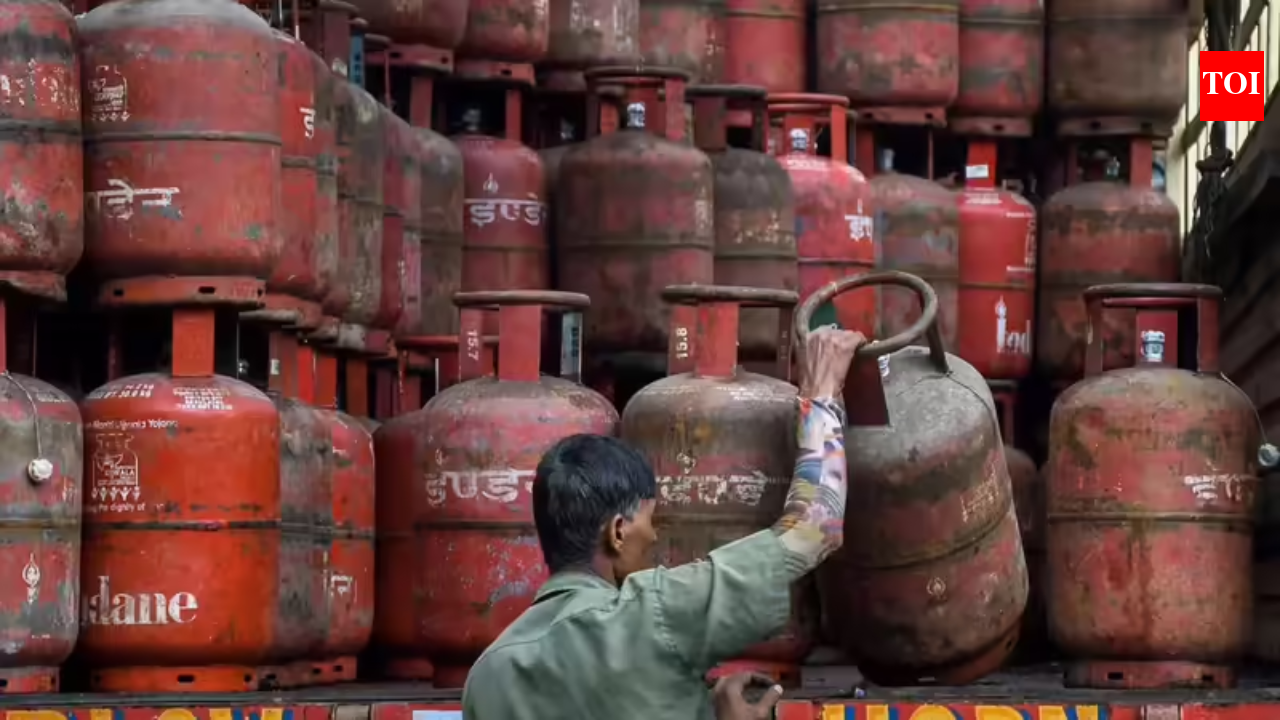
Liquefied Petroleum Gas (LPG) cylinders remain one of the most widely used cooking fuels in the world. While many developed nations are gradually shifting toward electric or induction cooking, millions of households—especially in Asia, Africa, and Latin America—still rely on portable gas cylinders for daily cooking.
According to global energy insights from organizations like the International Energy Agency and the World Bank, LPG is considered a cleaner alternative to traditional fuels like firewood and coal, making it a preferred cooking solution in many developing countries.
Here are 10 countries where gas cylinders are commonly used in homes due to affordability, accessibility, and government policies.
1. India
Estimated LPG household usage: Around 70–75%
In India, LPG cylinders are a primary cooking fuel for millions of households. The government’s Pradhan Mantri Ujjwala Yojana significantly expanded access to LPG connections, especially in rural areas. Due to widespread distribution networks and subsidies, gas cylinders remain a dominant cooking fuel across urban and rural homes.
2. China
Estimated LPG household usage: Around 60–65%
China uses LPG cylinders widely, particularly in smaller cities and rural regions where piped natural gas infrastructure is limited. Portable cylinders are convenient for apartment living and small kitchens, making LPG a practical household energy source.
3. Indonesia
Estimated LPG household usage: Around 80%
Indonesia is one of the largest LPG-consuming countries in the world. The government introduced a national conversion program that encouraged households to switch from kerosene to LPG cylinders, making it the main cooking fuel for most families today.
4. Brazil
Estimated LPG household usage: Around 90%
Brazil has one of the highest LPG usage rates globally. Gas cylinders are commonly delivered directly to homes, and many households rely on them because piped gas infrastructure is limited outside major cities.
5. Mexico
Estimated LPG household usage: Around 75–80%
In Mexico, LPG cylinders are a standard kitchen fixture. Households frequently purchase refillable cylinders from local suppliers. LPG is preferred due to its cost-effectiveness and easy availability.
6. Philippines
Estimated LPG household usage: Around 60%
In the Philippines, LPG cylinders are widely used for cooking, especially in urban households and small restaurants. Their portability and ease of replacement make them an efficient fuel choice.
7. Thailand
Estimated LPG household usage: Around 70%
Thailand promotes LPG as a clean cooking fuel. Many homes and food vendors rely on LPG cylinders because they are affordable and convenient for everyday cooking.
8. Turkey
Estimated LPG household usage: Around 65%
In Turkey, LPG cylinders remain popular in homes without piped gas connections. Portable cylinders offer a reliable and flexible cooking fuel, particularly in smaller towns.
9. Vietnam
Estimated LPG household usage: Around 60–65%
Vietnam has experienced a rapid rise in LPG usage as households move away from traditional biomass fuels. Gas cylinders are widely used due to urbanization and improved distribution networks.
10. Egypt
Estimated LPG household usage: Around 70%
Egypt relies heavily on LPG cylinders for household cooking. The government subsidizes LPG to make it affordable, ensuring that millions of families can access clean cooking fuel.
Why Gas Cylinders Remain Important Globally
Despite the growing popularity of electric cooking appliances, LPG cylinders continue to play a critical role in household energy systems, particularly in developing countries. They offer:
• Affordable cooking fuel
• Easy transportation and storage
• Access in areas without gas pipelines
• Cleaner alternative to firewood and coal
As countries work toward cleaner energy transitions, LPG cylinders are expected to remain an essential bridge fuel for millions of households worldwide.
About The Author