International Mountain Day 2025 10 Most Dangerous Mountain Borders in the World
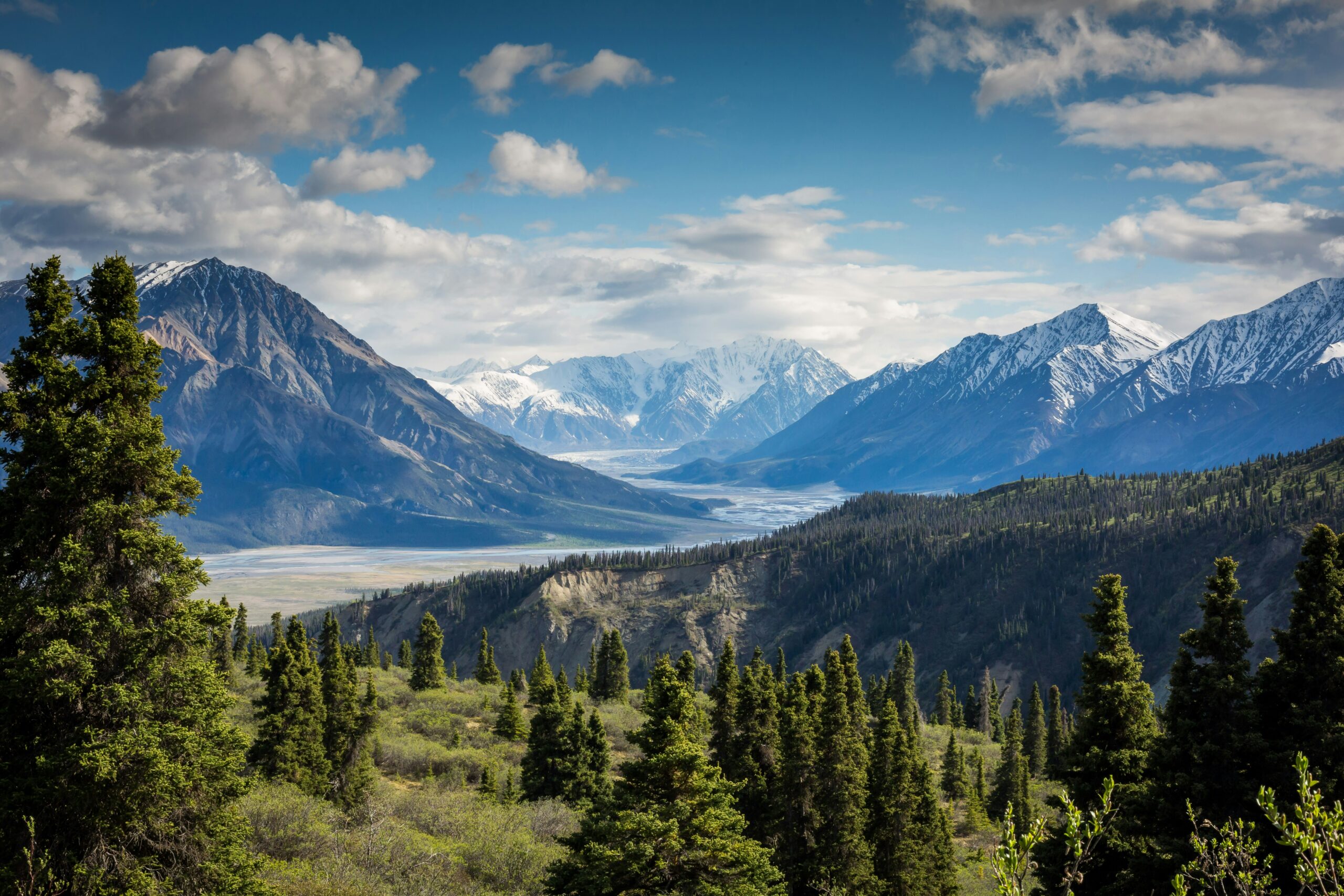
As the world celebrates International Mountain Day 2025, it’s a moment to admire the awe-inspiring beauty of mountains — but also to acknowledge the harsh reality that some of the world’s deadliest borders lie hidden within these majestic landscapes. Towering above the clouds, cut through by glaciers, surrounded by deep valleys and prone to violent weather shifts, these mountain frontiers often represent the perfect storm of natural danger and geopolitical tension.
From the Himalayan giants separating India, China and Pakistan to the rugged Andes dividing Chile and Argentina, these borderlands are among the hardest places on Earth for humans to survive, let alone secure. Soldiers stationed here face not only conflict but the wrath of altitude, isolation and brutal winters.
Here is a detailed, descriptive look at the 10 most dangerous mountain borders in the world in 2025 — where nature’s fury meets geopolitical friction.
1. India–China Border (LAC), Himalayan High Peaks
Running across some of the highest points on Earth, the Line of Actual Control winds through unforgiving Himalayan terrain.
The vast stretches of Ladakh, Sikkim and Arunachal Pradesh form a natural barrier shaped by ice walls, permafrost and knife-edge ridges.
What Makes It Extremely Dangerous
- Altitudes between 14,000–18,500 ft where even breathing is difficult
- Temperatures crashing below –45°C, causing life-threatening frostbite
- Sudden blizzards that can cut visibility to zero
- Frequent military standoffs and unpredictable confrontations
The region demands constant acclimatization, high mental endurance and specialized gear — making it one of the most hostile borders in human history.
2. India–Pakistan Border (LoC), Kashmir’s Rugged Mountains
The Line of Control, slicing through the Pir Panjal and parts of the Karakoram, is a combination of geopolitical tension and treacherous landscape.
- Danger Highlights
- Snowfall that buries entire posts
- Avalanches triggered without warning
- Narrow winding ridges with sheer drops
- History of cross-border shelling
Patrolling here is a battle against both nature and the ongoing conflict.
3. China–Pakistan Border (Karakoram Range)
This icy frontier lies in one of the most geologically unstable regions of the world, home to K2 and some of the planet’s largest glaciers.
What Makes It Lethal
- Jagged peaks rising sharply from deep gorges
- Glacial movements threatening roads and camps
- Dry cold that freezes water mid-air
- Rockfalls along the Karakoram Highway
This border represents nature at its rawest — unpredictable, powerful and unforgiving.
4. North Korea–South Korea Border (DMZ Mountain Belt)
Though famous for its heavy fencing and tense military presence, the mountainous pockets of the DMZ are equally frightening.
Main Threats
- Undetonated landmines buried for decades
- Thick vegetation hiding cliffs and drops
- Harsh, freezing winters
- Extreme surveillance and tension
The landscape itself is a silent but deadly reminder of one of the world’s most firmly guarded borders.
5. China–Nepal Border (Himalayan Crestline)
This border hosts some of the world’s tallest mountains, including the legendary Mount Everest.
Key Dangers
- Dangerous icefalls that shift daily
- Colossal avalanches roaring down slopes
- Crevasses deep enough to swallow trucks
- Earthquake-prone tectonic zones
Even expert Sherpas tread carefully here — that is how powerful the Himalayas are.
6. Russia–Georgia Border (Greater Caucasus)
The Caucasus Mountains, stretching between Europe and Asia, form a dramatic yet unstable border.
Geographical Threats
- Long winters with never-ending snowstorms
- Steep passes like the Darial Gorge
- Past conflicts adding to instability
- Remote areas where rescue is difficult
The Caucasus is rugged, unpredictable and politically sensitive.
7. Afghanistan–Pakistan Border (Hindu Kush Mountains)
The Hindu Kush, often described as the “mountain fortress of Asia,” is defined by its towering peaks and deeply cut valleys.
What Makes It Dangerous
- Remote terrains impossible to access by vehicle
- Temperatures plunging in winter
- Security concerns, insurgencies and instability
- Risk of rockslides and violent winds
This region has shaped civilizations, wars and empires — its danger is legendary.
8. China–Bhutan Border (Eastern Himalayas)
Though lesser-known, this border lies in one of the most secluded and ecologically rich parts of the Himalayas.
Hazards
- Dense forests blending into high-altitude cliffs
- Cyclonic storms affecting visibility
- Territorial disputes adding tension
- Almost no infrastructure
It’s a border where even helicopters struggle to operate.
9. France–Italy Border (Alpine Ridge)
The Alps form a majestic but deadly natural boundary, attracting climbers yet claiming lives every year.
Dangers
- Sudden alpine storms lasting hours
- Avalanche corridors wiping out routes
- Glaciers melting rapidly, making paths unstable
- Hidden crevasses beneath soft snow
Despite being peaceful nations, the terrain itself remains brutal.
10. Chile–Argentina Border (Andes Mountains)
The Andes, the world’s longest mountain chain, create an extraordinary yet dangerous frontier between the two South American nations.
Risks
- Earthquakes and volcanic eruptions
- Snowstorms that can trap travelers for days
- High winds exceeding 150–200 km/h
- Border areas located far from civilisation
- Many outposts here resemble isolated ice kingdoms.
Why Mountain Borders Are Among the Most Dangerous Places on Earth
These regions bring together the worst combinations of geography, climate and conflict:
- Hazardous slopes and shifting glaciers
- Temperatures that can freeze machinery
- Thin air causing altitude sickness
- Limited rescue capability
- Constant risk of natural disasters
- Political instability in many zones
Mountain borders test human endurance and national resilience in equal measure.
About The Author