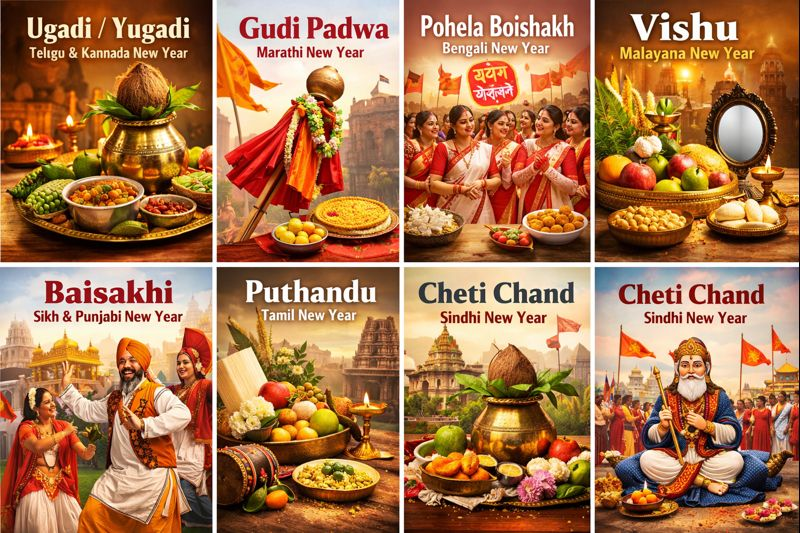
India does not welcome the New Year on a single day or in a single way. Instead, the country celebrates multiple New Years, each deeply connected to regional calendars, seasonal changes, agricultural cycles, and centuries-old traditions. Falling mostly between March and April, Indian New Year festivals symbolise renewal, gratitude, prosperity, and spiritual awakening.
From the vibrant streets of Maharashtra during Gudi Padwa to the quiet, hopeful ritual of Vishukkani in Kerala, every region marks the beginning of a new year in its own meaningful way.
Here is the complete list of state-wise look at India’s major New Year festivals in 2026, their customs, foods, and cultural importance.
1. Ugadi / Yugadi – Welcoming the New Year with Life’s Six Flavours
- States: Andhra Pradesh, Telangana, Karnataka
- Calendar: Telugu & Kannada
- Ugadi / Yugadi 2026 Date: Thu, 19 Mar, 2026
Ugadi marks the beginning of the Telugu and Kannada New Year and is believed to be the day when Lord Brahma created the universe.
Homes are thoroughly cleaned and decorated with fresh mango leaves and colourful rangoli. Families gather early in the morning to listen to the Panchanga Shravanam, where astrologers predict the fortunes of the coming year.
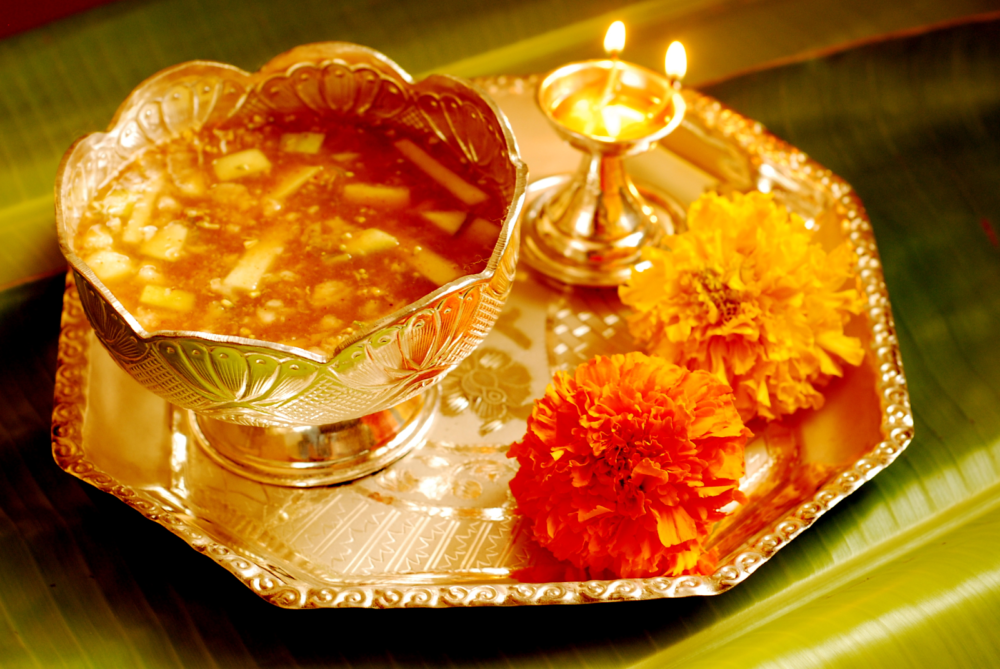
Symbolic Dish:
Ugadi Pachadi, a unique mix of sweet, sour, bitter, salty, spicy, and tangy flavours, reflecting the belief that life will bring a mix of emotions.
Ugadi is not just a festival—it is a reminder to face the year ahead with balance, courage, and acceptance.
2. Gudi Padwa – The Marathi New Year of Victory and Prosperity
- States: Maharashtra, Goa
- Calendar: Marathi
- Gudi Padwa 2026 Date: Thursday, 19 March 2026
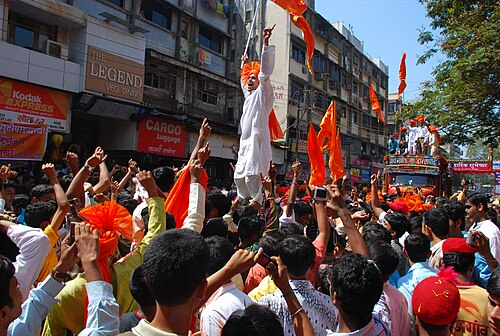
Gudi Padwa announces the arrival of spring and the Marathi New Year. The highlight of the festival is the Gudi, hoisted outside homes as a symbol of success and protection.
The gudi—made with bright silk cloth, neem leaves, and an inverted copper or silver pot—is believed to ward off evil and invite prosperity.
Traditional Foods:
- Puran Poli
- Shrikhand
- Neem-jaggery mixture
Historically, Gudi Padwa is associated with royal victories and new beginnings, making it one of the most auspicious days of the year.
3. Pohela Boishakh / Noboborsho – Bengal’s Grand New Beginning
- States: West Bengal, Bangladesh
- Calendar: Bengali
- Pohela Boishakh / Noboborsho Date: Wed, 15 Apr, 2026
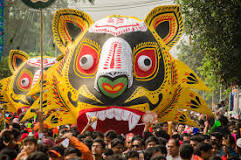
Pohela Boishakh is celebrated with colour, culture, and music. The day begins with processions, fairs, and cultural performances, while artists and musicians fill the streets.
Business owners start new account books called Haal Khata, marking a fresh financial year.
Traditional Greeting:
“Shubho Noboborsho”
Pohela Boishakh blends celebration with responsibility, reminding people to start anew with honesty and hope.
4. Vishu – Kerala’s Festival of First Sight and New Hope
- State: Kerala
- Calendar: Malayalam
- Vishu Date: Wed, 15 Apr, 2026
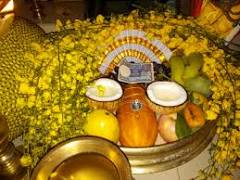
Vishu is centered on the belief that the first thing you see on New Year’s morning shapes the year ahead.
Families prepare the Vishukkani, a sacred arrangement of rice, fruits, flowers, mirror, coins, and lamps, which is viewed at dawn.
Unique Ritual:
Vishu Kaineettam, where elders gift money to younger family members
Vishu is calm, spiritual, and deeply personal—focused on abundance, gratitude, and blessings.
5. Puthandu – The Tamil New Year of Wisdom and Balance
- State: Tamil Nadu
- Calendar: Tamil
- Puthandu Festival Date: Tue, 14 Apr, 2026
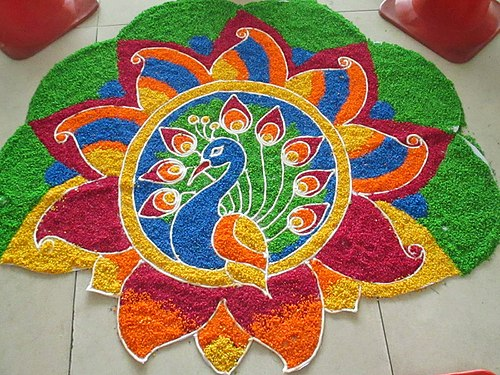
Puthandu begins with families viewing auspicious items such as gold, fruits, betel leaves, and religious texts.
People visit temples and read the Tamil Panchangam, which offers guidance for the year ahead.
Signature Dish:
Mango Pachadi, combining sweet, sour, and bitter flavours
The festival teaches the importance of patience, resilience, and acceptance of life’s ups and downs.
6. Baisakhi / Vaisakhi – Harvest, Faith, and Celebration
- States: Punjab, Haryana, North India
- Community: Sikh & Punjabi
- Baisakhi / Vaisakhi Festival Date: Tue, 14 Apr, 2026
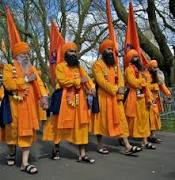
Baisakhi is both a harvest festival and a cornerstone of Sikh history. It marks the formation of the Khalsa Panth in 1699 by Guru Gobind Singh Ji.
Key Celebrations:
- Gurudwara prayers and Nagar Kirtans
- Energetic folk dances like Bhangra and Gidda
- Baisakhi celebrates courage, equality, gratitude, and collective joy.
7. Cheti Chand – Sindhi New Year and Cultural Identity
- Community: Sindhi
- Cheti Chand Festival Date: Thu, 19 Mar, 2026
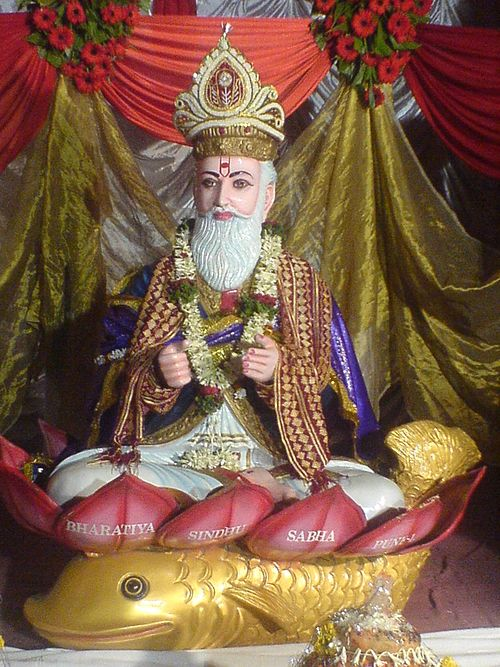
Cheti Chand marks the birth of Jhulelal, the revered deity of the Sindhi community.
The day is observed with processions, devotional music, and community gatherings, reinforcing cultural unity and spiritual faith.
For Sindhis, Cheti Chand is both a New Year celebration and a reminder of their rich heritage.
Why India Celebrates Multiple New Years
India’s diversity of calendars includes:
Solar calendars (Vishu, Puthandu)
Lunisolar calendars (Ugadi, Gudi Padwa, Pohela Boishakh)
Each festival reflects:
- Regional history
- Agricultural cycles
- Spiritual philosophies
Together, they highlight India’s belief that new beginnings are not bound by one date—but by intention and tradition.
Indian New Year 2026: Many Festivals, One Spirit
Whether it is Ugadi’s philosophy of life, Vishu’s quiet optimism, or Baisakhi’s energetic gratitude, Indian New Year festivals share a common message—hope, renewal, and a fresh start.
Different names, different customs, but one collective belief: every new year is a chance to begin again.
About The Author