List of Countries That Don’t Celebrate New Year on January 1
While January 1 is widely accepted as the start of the New Year, many countries and cultures do not follow this date. Instead, their New Year is based on lunar calendars, solar movements, agricultural cycles, and religious traditions that are centuries old.
Even in 2026, several countries use January 1 only for official or global purposes, while their traditional New Year is celebrated on a different day with unique customs and meanings.
Below is a country-wise and culture-wise guide to New Year celebrations that do not fall on January 1.
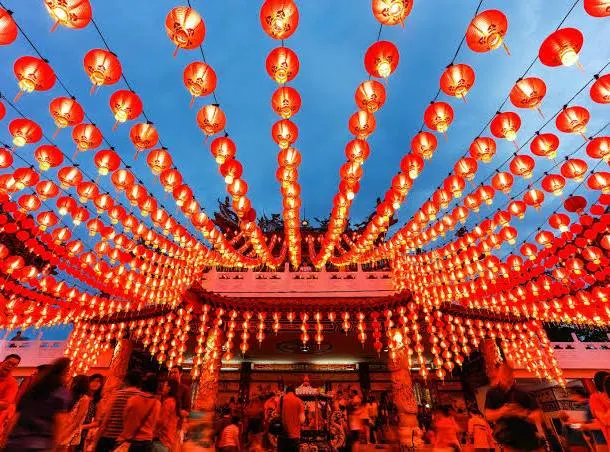
1. Lunar New Year (Spring Festival) – China & East Asia
- New Year Name: Lunar New Year / Chinese New Year
- 2026 Date: February 17, 2026
- Countries: China, Vietnam, South Korea, Singapore, Taiwan
The Lunar New Year 2026 marks the beginning of the lunar calendar and the arrival of spring. It is the most important festival in East Asian cultures and focuses on family bonding, prosperity, and good fortune.
People clean their homes to remove bad luck, decorate with red symbols, enjoy traditional food, and exchange red envelopes for blessings and wealth.
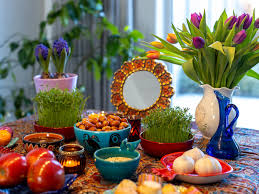
2. Nowruz – Iran & Central Asia
- New Year Name: Nowruz
- 2026 Date: March 20, 2026
- Countries: Iran, Afghanistan, Azerbaijan, Uzbekistan
Nowruz, meaning “New Day,” is celebrated on the spring equinox and symbolizes rebirth, renewal, and harmony with nature. This festival has been observed for over 3,000 years.
Families prepare the Haft-Seen table, wear new clothes, and visit loved ones to welcome positivity and a fresh start.
3. Nyepi (Day of Silence) – Bali, Indonesia
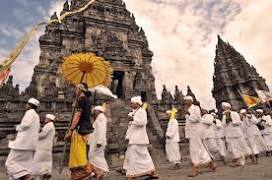
- New Year Name: Nyepi
- 2026 Date: March 19, 2026
- Location: Bali, Indonesia
Nyepi is one of the quietest New Year celebrations in the world. Instead of celebrations, the entire island of Bali observes 24 hours of silence.
No flights, traffic, or entertainment are allowed. The day is dedicated to self-reflection, fasting, and spiritual cleansing, making it a deeply meaningful New Year.
4. Songkran – Thailand

- New Year Name: Songkran
- 2026 Dates: April 13–15, 2026
- Country: Thailand
Songkran 2026 marks the traditional Thai New Year and is celebrated with joyful water festivals across the country.
Water symbolizes washing away past mistakes and bad luck, while people also visit temples, make offerings, and seek blessings from elders.
5. Islamic New Year (Hijri New Year) – Muslim Countries
- New Year Name: Islamic New Year / Hijri New Year
- Expected 2026 Date: June 16- 17, 2026 (moon sighting dependent)
- Countries: Saudi Arabia, UAE, India, Pakistan, Indonesia
The Islamic New Year follows a lunar calendar, meaning its date changes every year. It commemorates the migration (Hijra) of Prophet Muhammad.
The day is observed with prayers, remembrance, and reflection, rather than public celebrations.
6. Enkutatash – Ethiopia
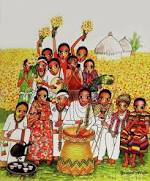
- New Year Name: Enkutatash
- 2026 Date: September 11, 2026
- Country: Ethiopia
Ethiopia follows the Ge’ez calendar, which is about 7–8 years behind the Gregorian calendar. In 2026, Ethiopia will welcome a different calendar year altogether.
Enkutatash celebrates the end of the rainy season, with flowers blooming, cultural songs, and family gatherings.
7. Rosh Hashanah – Israel

- New Year Name: Rosh Hashanah
- 2026 Dates: September 11–13, 2026
- Country: Israel
Rosh Hashanah is the Jewish New Year and marks a time of reflection, repentance, and renewal.
Families attend prayers, eat symbolic foods like apples dipped in honey, and focus on personal growth and spiritual improvement.
New Year Dates Around the World (2026)
| New Year | Country / Region | Date (2026) |
|---|---|---|
| Lunar New Year | China, Vietnam, Korea | February 17 |
| Nowruz | Iran, Central Asia | March 20 |
| Nyepi | Bali, Indonesia | March 19 |
| Songkran | Thailand | April 13–15 |
| Islamic New Year | Middle East, Muslim Nations | June 16 |
| Enkutatash | Ethiopia | September 11 |
| Rosh Hashanah | Israel | September 11–13 |
Note: The Islamic New Year (1448 AH) is expected around June 16, 2026. Because it follows a pure lunar calendar, the date moves forward by about 10–12 days every year.
Why Do Some Countries Not Celebrate New Year on January 1?
Different New Year dates are based on:
- Lunar calendars
- Solar movements
- Seasonal changes
- Religious traditions
These calendars reflect local history, climate, and beliefs, not just a single global system.
Final Thoughts
The New Year is not the same everywhere. While January 1 is globally recognized, many countries celebrate New Year according to their own cultural identity and ancient traditions.
These diverse celebrations highlight the world’s rich cultural heritage and remind us that time is measured in many meaningful ways.
About The Author