Top 10 Countries With Highest Gold Reserves
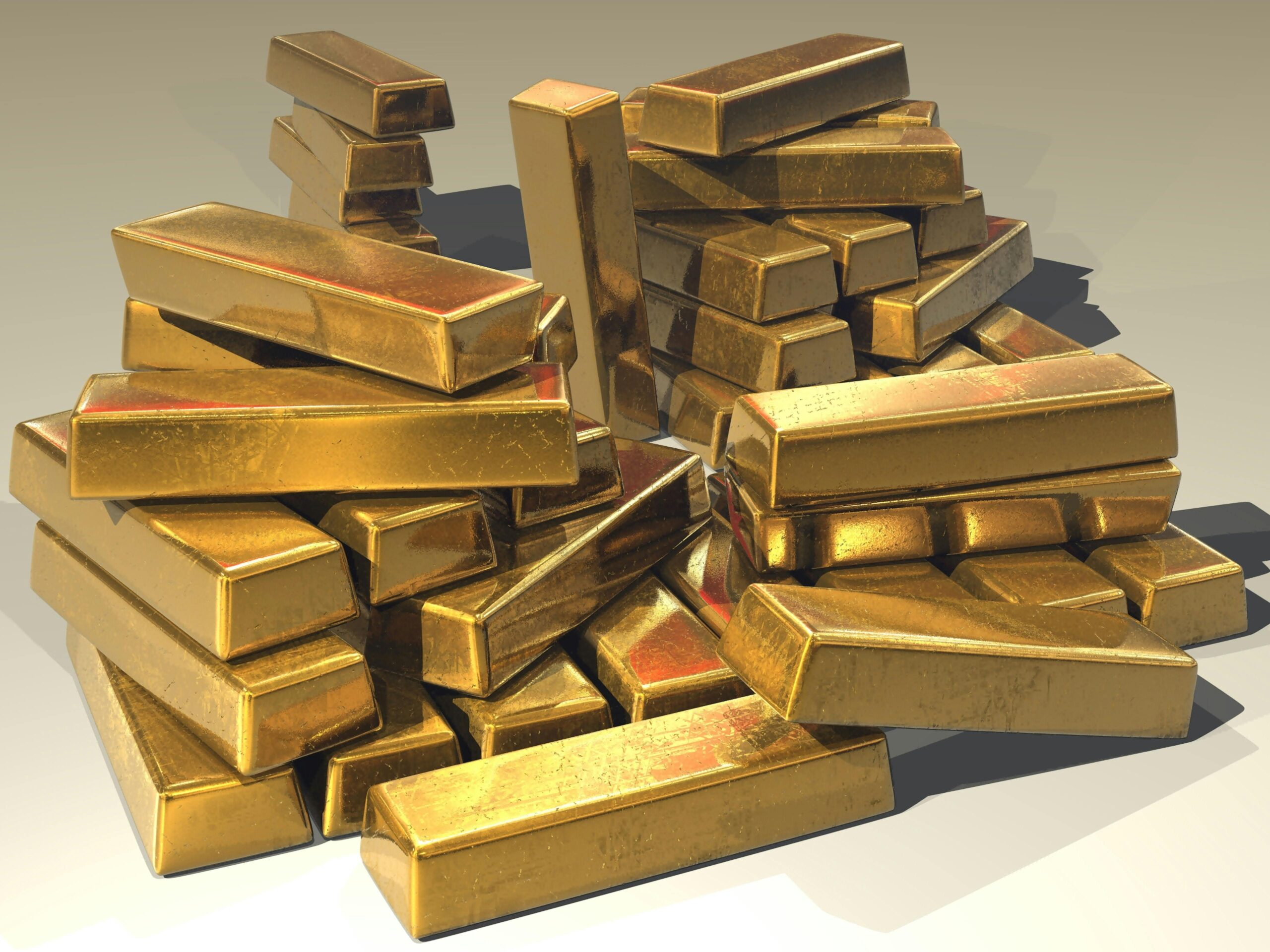
Gold has always been one of the world’s most trusted and valuable assets. Even in a modern digital economy, countries continue to store gold as a symbol of national strength, financial stability, and long-term economic security. During global recessions, wars, inflation, or currency collapses, gold acts as a safety shield that protects a nation’s wealth.
In 2025, several countries significantly increased their gold holdings, proving that gold remains a strategic asset in global finance. Here is a detailed, descriptive list of the top 10 countries with the highest gold reserves — along with what this means for India and the world.
1.United States – 8,133.46 tonnes
The United States remains the undisputed leader. With more than 8,100 tonnes of gold locked in secure facilities like Fort Knox and the New York Federal Reserve, the US holds nearly the same amount of gold as the next three countries combined. This massive reserve strengthens the US dollar and supports American global dominance.
2. Germany – 3,351.5 tonnes
Germany holds the second-largest gold reserve in the world. A large portion of its gold was stored abroad during the Cold War, but in recent years, Germany repatriated much of it. The country relies on gold to ensure long-term monetary stability and protect its economy from global uncertainty.
3. Italy – 2,451.8 tonnes
Italy may face economic challenges, but its gold reserve remains one of its strongest assets. The Bank of Italy has repeatedly stated that gold is an essential “safe asset” that helps maintain financial confidence during crisis periods.
4. France – 2,437 tonnes
France has consistently maintained high gold reserves for decades. The French central bank regards gold as a guarantee of national independence, especially during economic shocks or geopolitical tensions.
5. Russia – ~2,330–2,333 tonnes
Russia has steadily expanded its gold holdings, especially after facing international sanctions. Gold plays a crucial role in protecting the Russian economy from currency instability and external pressure.
6. China – ~2,280–2,299 tonnes
China continues to increase its gold reserves to strengthen its currency and reduce dependence on the US dollar. As the world’s second-largest economy, China sees gold as key to building global financial influence.
7. Switzerland – ~1,040 tonnes
Despite being a small country, Switzerland is one of the biggest gold custodians in the world. Its stable banking system and reputation for financial security make Swiss gold reserves extremely significant.
8. India – ~876–880 tonnes
India ranks 8th globally. Over the past few years, the Reserve Bank of India (RBI) has increased gold purchases to stabilize foreign reserves and protect the Indian economy from global shocks. With rising economic power and growing foreign exchange needs, India’s gold stock is expected to grow further.
9. Japan – ~846 tonnes
Japan maintains strong gold reserves as part of its national financial strategy. Gold helps Japan manage economic risks in an era of low interest rates and high public debt.
10. Netherlands – ~612–613 tonnes
The Netherlands continues to rank among the top gold holders. Much of its gold is stored in highly secure facilities, and Dutch authorities consider gold an essential asset for long-term national stability.
Top 10 Countries With Highest Gold Reserves (2025) – Quick Summary
| Rank | Country | Gold Reserves (Tonnes) | Key Highlights |
|---|---|---|---|
| 1 | United States | 8,133.46 t | Largest reserve in the world; stored in Fort Knox & FED vaults |
| 2 | Germany | 3,351.5 t | Strong repatriation policy; high financial stability |
| 3 | Italy | 2,451.8 t | Gold considered essential for economic confidence |
| 4 | France | 2,437 t | Maintains large reserves for strategic protection |
| 5 | Russia | ~2,330–2,333 t | Boosted reserves due to sanctions & currency pressure |
| 6 | China | ~2,280–2,299 t | Increasing reserves to strengthen yuan globally |
| 7 | Switzerland | ~1,040 t | High reserves per capita; global banking hub |
| 8 | India | ~876–880 t | RBI consistently buying gold to diversify reserves |
| 9 | Japan | ~846 t | Uses gold to stabilize long-term economic planning |
| 10 | Netherlands | ~612–613 t | Gold stored in domestic & international vaults |
Why Do Gold Reserves Matter?
✔ Protection During Global Crises: Countries depend on gold during financial instability, currency crashes, or geopolitical conflict.
✔ Strengthens Currency Value: Nations with more gold have stronger, more trusted currencies.
✔ Builds Investor Confidence: High gold reserves attract global investors and boost market confidence.
✔ Diversification of Foreign Reserves: Gold reduces dependence on foreign currencies like the US dollar or euro.
Where Does India Stand in the World?
India’s position at 8th place reflects the country’s rising global economic importance. With nearly 880 tonnes of gold and a rapidly expanding economy, India is expected to climb even higher in the coming years. RBI’s consistent gold purchases show that India is preparing for future global uncertainties.
Conclusion
Gold continues to be one of the most powerful symbols of national strength. From the United States and Germany to China and India, countries rely on gold not just as a precious metal but as a long-term shield against economic and political challenges. In 2025, global gold holdings highlight one clear fact: in a world full of uncertainty, gold remains the ultimate security anchor
About The Author