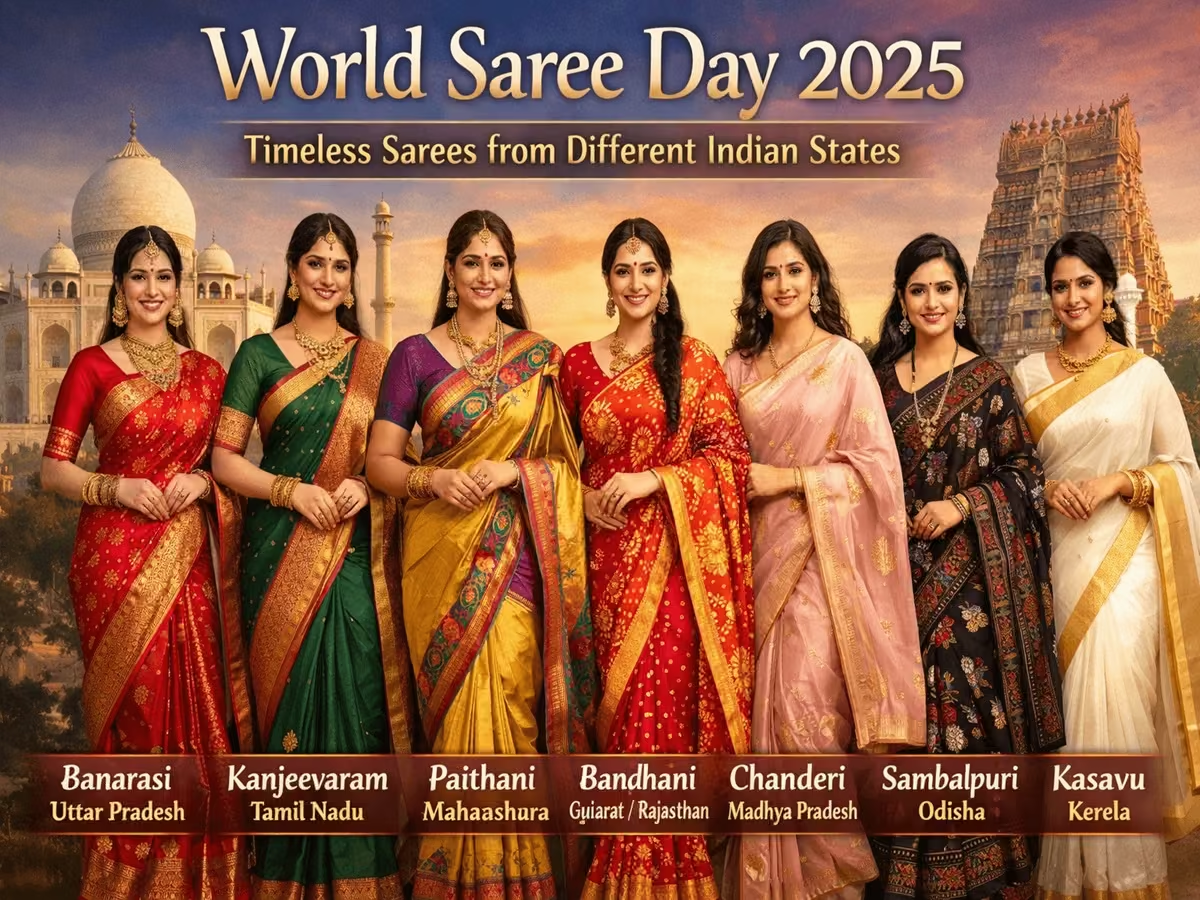
World Saree Day 2025 From Banarasi to Kanjeevaram 7 Timeless Sarees From Different Indian States
New Delhi, India: World Saree Day 2025, observed on December 21, celebrates one of India’s most iconic traditional garments—the saree. Worn across regions, religions, and generations, the saree represents India’s rich cultural heritage and centuries-old handloom traditions.
From Varanasi’s Banarasi silk to Tamil Nadu’s Kanjeevaram weave, every saree reflects the history, geography, and craftsmanship of its state.
On this special day, we bring you 7 timeless sarees from different Indian states that continue to define Indian ethnic fashion in 2025.
1. Banarasi Saree – Uttar Pradesh
The Banarasi saree from Varanasi is globally known for its fine silk and intricate gold and silver zari work. Once worn by Mughal queens, Banarasi sarees remain a top choice for Indian brides.
Key Features:
- Rich silk fabric
- Mughal-inspired floral motifs
- Heavy zari borders
Best For: Weddings, grand occasions
Why It’s Popular: High demand for handloom luxury wear
2. Kanjeevaram Saree – Tamil Nadu
Handwoven in Kanchipuram, the Kanjeevaram saree is known for its durability, vibrant colors, and temple-inspired designs. Made from pure mulberry silk, it is a symbol of South Indian tradition.
Key Features:
- Thick silk with contrast borders
- Mythological and temple motifs
Best For: South Indian weddings, festivals
Why It’s Timeless: Strong silk and rich cultural value
3. Paithani Saree – Maharashtra
The Paithani saree from Maharashtra is famous for its peacock and lotus motifs woven with real gold zari. Each saree takes months to complete, making it a prized possession.
Key Features:
- Handwoven silk
- Colorful zari pallu
Best For: Weddings, traditional ceremonies
Why It’s Special: No two Paithani sarees are exactly alike
4. Bandhani Saree – Gujarat & Rajasthan
Traditional Tie-and-Dye Craft
The Bandhani saree uses an ancient tie-and-dye technique popular in Gujarat and Rajasthan. Known for bright colors and dotted patterns, it reflects India’s desert culture.
Key Features:
- Vibrant reds, yellows, and blues
- Traditional bandhej patterns
Best For: Navratri, festive wear
Why It’s Trending: Revival of regional crafts
5. Chanderi Saree – Madhya Pradesh
The Chanderi saree is loved for its sheer texture and lightweight feel. Ideal for everyday elegance, it blends silk and cotton beautifully.
Key Features:
- Soft fabric
- Floral and peacock motifs
Best For: Day functions, office ethnic wear
Why It’s Loved: Comfort with classic charm
6. Sambalpuri Saree – Odisha
The Sambalpuri saree is known for its Ikat weaving technique, where yarns are dyed before weaving. Designs often reflect Odisha’s tribal culture and natural elements.
Key Features:
- Geometric Ikat patterns
- Natural dyes
Best For: Cultural events, festivals
Why It Matters: Supports local weavers and sustainability
7. Kasavu Saree – Kerala
The Kasavu saree is Kerala’s signature attire, worn during Onam and Vishu. Its cream base with gold border highlights elegance through simplicity.
Key Features:
- Off-white fabric
- Golden zari border
Best For: Festivals, classical dance
Why It’s Timeless: Minimal design with cultural depth
Why World Saree Day 2025 Is Important
World Saree Day highlights:
- India’s handloom heritage
- Women artisans and weavers
- Sustainable and slow fashion
- Regional identity in global fashion
In 2025, sarees are gaining renewed popularity among younger generations due to eco-friendly fashion trends and cultural pride.
Final Word
As India celebrates World Saree Day 2025, these seven iconic sarees remind us that the saree is not just clothing—it is a legacy woven across states, cultures, and centuries.
From Banarasi to Kanjeevaram, the Indian saree continues to shine as a symbol of tradition, elegance, and national identity.
About The Author