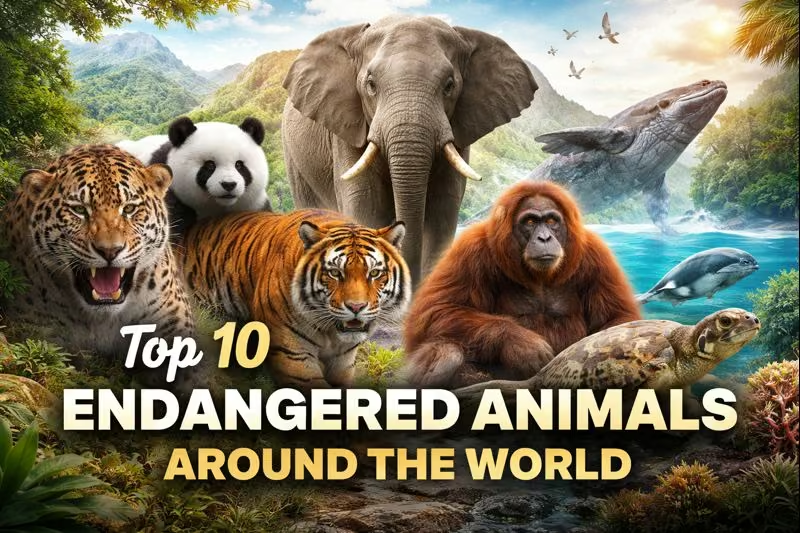
Top 10 Endangered Animals Around the World You Must Know About
Our planet is a home to incredible biodiversity, but many species are now on the brink of extinction due to human activity, climate change, and habitat destruction. Protecting endangered animals is crucial not only for maintaining ecological balance but also for preserving the beauty and uniqueness of life on Earth.
Here’s a detailed look at the top 10 endangered animals around the world, their habitats, threats, and conservation efforts.
What Are Endangered Animals?
Endangered animals are species that are at a very high risk of extinction in the near future. Their population numbers are declining rapidly, and without immediate conservation efforts, they may disappear entirely.
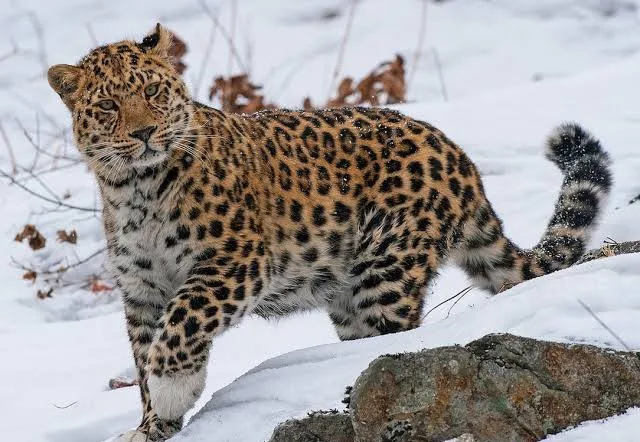
1. Amur Leopard (Panthera pardus orientalis)
- Status: Critically Endangered
- Habitat: Russian Far East, Northeastern China
- Population: Less than 150
The Amur leopard is known for its striking golden coat with black rosettes and incredible agility. Often called the “ghost of the forest,” it is one of the rarest big cats in the world.
Threats: Habitat destruction due to logging, illegal hunting for fur, and prey scarcity.
Conservation Efforts: Protected wildlife reserves in Russia and China, anti-poaching laws, and global awareness campaigns are helping stabilize their population.
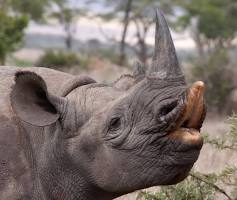
2. Black Rhino (Diceros bicornis)
- Status: Critically Endangered
- Habitat: Eastern and Southern Africa
- Population: Around 5,000
Black rhinos are solitary, powerful herbivores that have roamed Africa for millions of years. Their two horns make them a target for poachers, driving them toward extinction.
Conservation Efforts: Anti-poaching squads, rhino sanctuaries, and community involvement programs have helped some populations recover in countries like Namibia and South Africa.
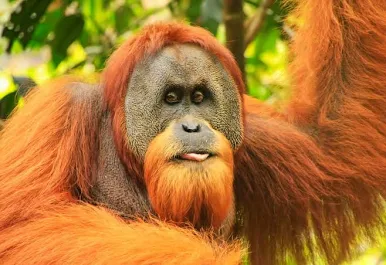
3. Sumatran Orangutan (Pongo abelii)
- Status: Critically Endangered
- Habitat: Tropical rainforests of Sumatra, Indonesia
- Population: ~14,000
Orangutans are among the most intelligent primates, known for using tools and showing complex social behavior. The Sumatran species is critically endangered due to deforestation for palm oil plantations.
Conservation Efforts: Rescue and rehabilitation centers, anti-logging campaigns, and global awareness programs are critical to their survival.
4. Hawksbill Turtle (Eretmochelys imbricata)
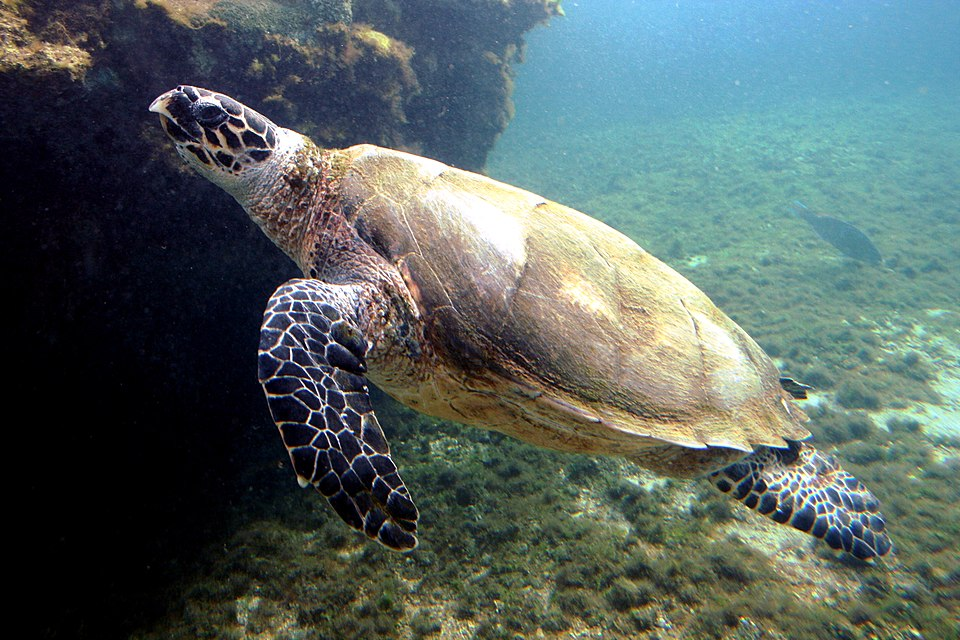
- Status: Critically Endangered
- Habitat: Tropical oceans worldwide, including Indian coasts
- Population: Rapidly declining
The Hawksbill turtle is famous for its beautiful, patterned shell and crucial role in maintaining healthy coral reefs.
Threats: Poaching for shells, entanglement in fishing nets, and marine pollution.
Conservation Efforts: Protection of nesting sites, international trade bans, and marine awareness programs.
5. Asian Elephant (Elephas maximus)
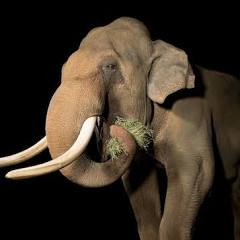
- Status: Endangered
- Habitat: India, Sri Lanka, Southeast Asia
- Population: ~40,000–50,000
Majestic and intelligent, Asian elephants are vital for forest ecosystems. They spread seeds and create clearings that help other species thrive.
Threats: Habitat fragmentation, human-elephant conflicts, and ivory poaching.
Conservation Efforts: Wildlife corridors, protected areas like Kaziranga and Periyar, and community-led conservation programs.
6. Snow Leopard (Panthera uncia)
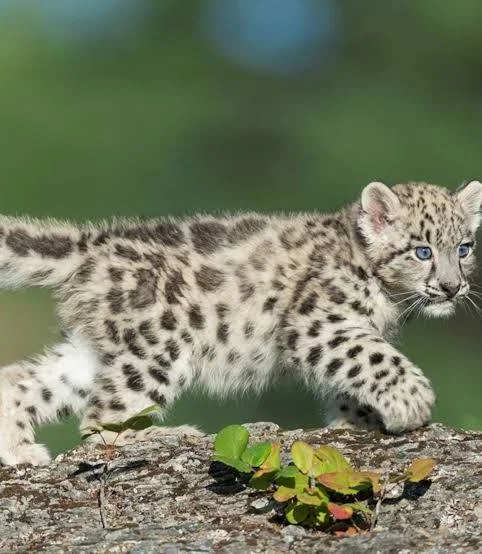
- Status: Vulnerable
- Habitat: Mountains of Central and South Asia
- Population: 4,000–6,500
The snow leopard is often called the “ghost of the mountains” for its elusive nature. Its snow-white coat and stealthy behavior make it a master predator in rugged terrain.
Threats: Poaching, retaliatory killings, and shrinking prey populations.
Conservation Efforts: Community engagement, eco-tourism, and habitat protection programs managed by organizations like the Snow Leopard Trust.
7. Vaquita (Phocoena sinus)
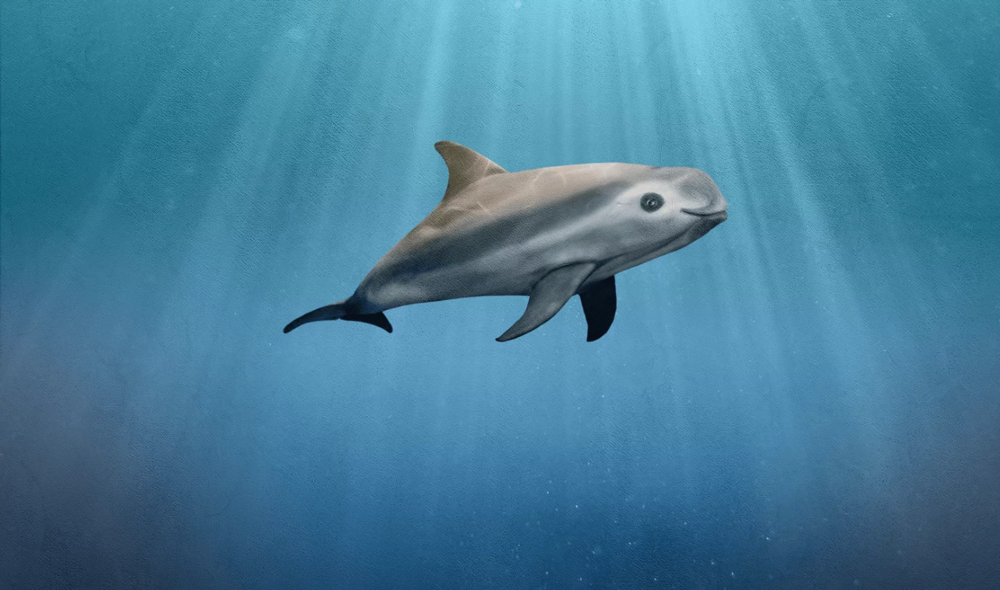
- Status: Critically Endangered
- Habitat: Northern Gulf of California, Mexico
- Population: Less than 20
The vaquita is the rarest marine mammal on Earth. Its tiny population highlights the urgency of marine conservation worldwide.
Threats: Bycatch in illegal gillnets used for fishing.
Conservation Efforts: International campaigns, gillnet bans, and marine monitoring projects aim to save this species from extinction.
8. Giant Panda (Ailuropoda melanoleuca)
- Status: Vulnerable
- Habitat: Mountain bamboo forests of China
- Population: ~1,800
The giant panda is a global symbol of wildlife conservation. Its distinct black-and-white fur and bamboo diet make it an iconic species.
Threats: Habitat loss and low reproductive rates.
Conservation Efforts: Protected reserves, captive breeding, and reforestation initiatives have helped increase their numbers.
9. Blue Whale (Balaenoptera musculus)
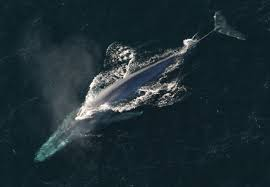
- Status: Endangered
- Habitat: Oceans worldwide
- Population: 10,000–25,000
The blue whale is the largest animal ever on Earth, reaching lengths of over 100 feet. Despite their size, they are vulnerable due to ship strikes and ocean pollution.
Conservation Efforts: Marine protected areas, international whaling bans, and ocean conservation awareness.
10. Indian Star Tortoise (Geochelone elegans)
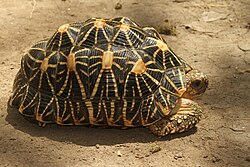
- Status: Vulnerable
- Habitat: Dry forests of India and Sri Lanka
- Population: Declining
The Indian star tortoise, with its unique star-patterned shell, is often captured for the illegal pet trade.
Conservation Efforts: Legal protection under the Wildlife Protection Act, 1972, rescue centers, and awareness campaigns.
Why Awareness Matters
Endangered animals are critical for ecosystems and biodiversity. Protecting them ensures healthy forests, oceans, and human survival. Conservation requires global cooperation, local community participation, and strict enforcement of wildlife laws.
How You Can Help
- Support wildlife NGOs like WWF-India and Wildlife Trust of India
- Avoid buying products made from endangered species
- Participate in eco-friendly tourism and responsible wildlife experiences
- Spread awareness using hashtags like #SaveWildlife #EndangeredSpecies
Conclusion
From the elusive Amur leopard to the majestic blue whale, endangered animals remind us that our actions determine the survival of these incredible species. Protecting them is not just a duty—it’s an investment in the planet’s future.
About The Author