Essential Things to Know Before Adopting a Cat A Complete Guide for First-Time Owners
Adopting a cat is a deeply rewarding journey—but it’s also a serious, long-term responsibility. While cats are often mistaken as “low-maintenance pets,” the truth is that they need consistent care, emotional security, medical attention, and a safe home environment to truly thrive.
If you’re planning to bring a feline companion home, here’s everything you must know before adopting a cat, especially in the Indian context.
1. The 15–18 Year Commitment You Must Be Ready For
Cats typically live between 12 and 18 years, and many live even longer with good care. Adoption is not a short-term decision—it’s a commitment that can span major life changes.
Things to think about:
- Life changes: Marriage, relocation, job switches, or moving abroad
- Time commitment: Daily feeding, cleaning, playtime, and attention
- Travel plans: You’ll need a trusted friend, pet sitter, or boarding facility whenever you’re away
If you’re unsure about long-term stability, it’s better to wait than adopt impulsively.
2. Why Adoption Is Always Better Than Buying a Cat
Adopting a cat helps reduce India’s growing pet homelessness crisis.
Why adoption makes sense:
- Indie cats (Indian Billis) are naturally adapted to India’s climate
- They usually have stronger immunity than imported breeds
- Adoption costs are low or free
- Most shelter cats are already rescued, vaccinated, and litter-trained
By adopting, you’re not just getting a pet—you’re saving a life.
3. Finding the Right Cat for Your Lifestyle
Choosing the right cat is about matching energy levels and expectations.
Best choices by lifestyle:
- Busy professionals: Adult cats (2+ years) — calmer and more independent
- Families with children: Socialized Indie cats with gentle temperament
- First-time owners: Shelter staff can help you find affectionate “lap cats”
Avoid choosing only based on looks. Personality matters far more than breed.
4. Essential Cat-Proofing for Indian Homes
Indian apartments come with unique risks. Your home must be prepared before your cat arrives.
Must-do safety steps:
- Pigeon netting or invisible grills on balconies and windows (prevents High-Rise Syndrome)
- Hide electrical wires and chargers
- Remove toxic plants like lilies, aloe vera, and snake plant
Basic supplies checklist:
- Litter box + unscented bentonite or tofu litter
- Ceramic or steel food bowls
- Comfortable sleeping area
- Vertical scratching post
- A few safe toys
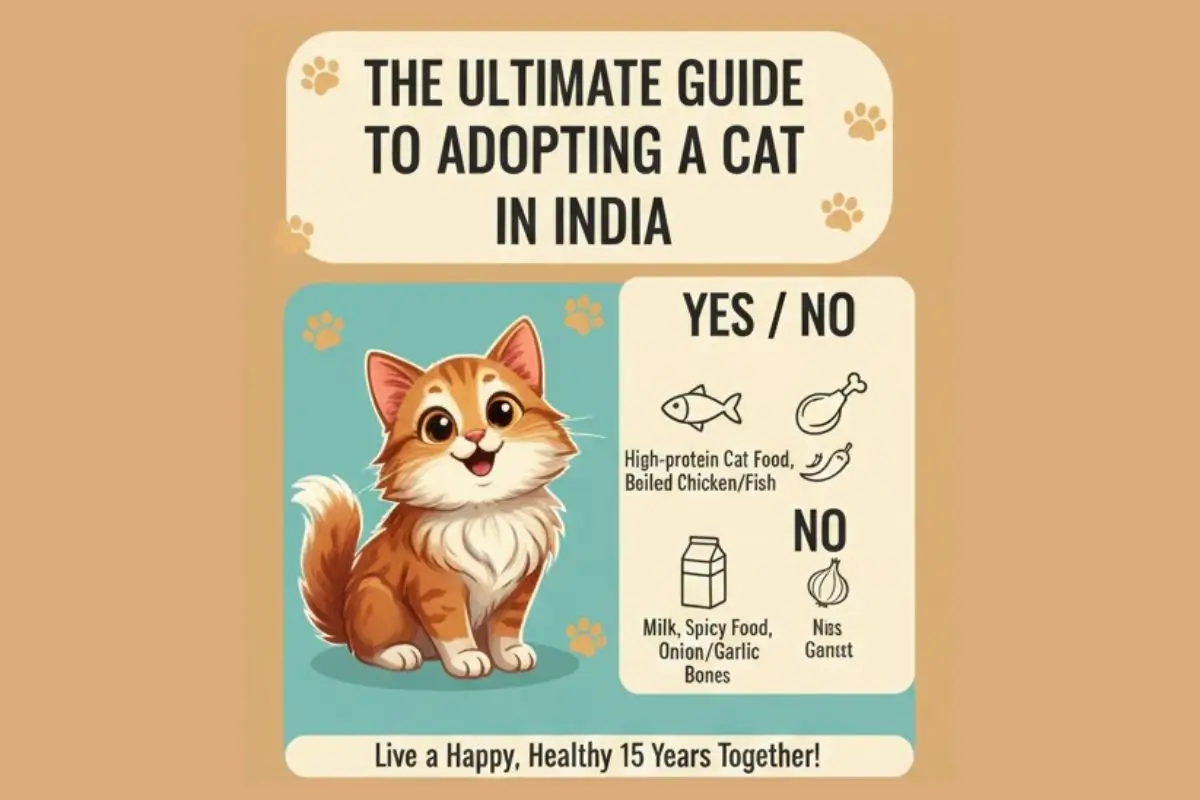
5. Nutrition: Breaking the “Milk for Cats” Myth
Most cats are lactose intolerant. Giving cow’s milk can cause diarrhea, dehydration, and stomach issues.
Ideal diet for cats:
- High-quality dry food and wet food combination
- Occasional boiled chicken or fish (plain, no salt or spices)
Why wet food matters:
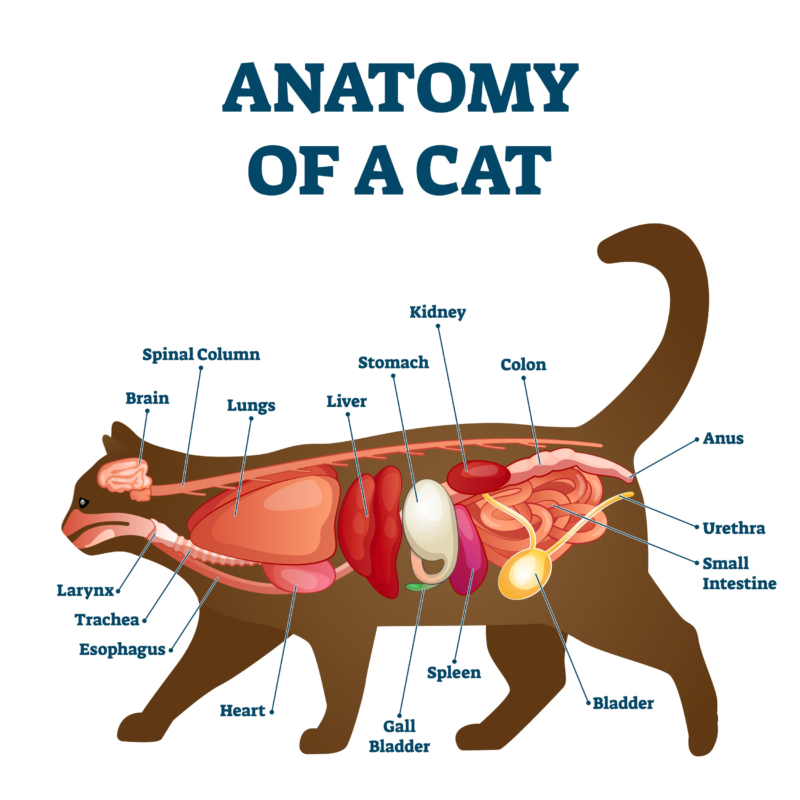
Cats naturally drink very little water. Wet food helps prevent:
- Kidney disease
- Urinary tract infections
- Bladder stones
Strictly avoid:
❌ Milk
❌ Onion, garlic
❌ Chocolate
❌ Spicy Indian food
❌ Cooked bones
6. Health Care, Vaccinations, and Sterilization of Cats
Preventive care is far cheaper—and safer—than emergency treatment.
Essential medical care:
- Vaccinations: CRP (Tricat) + Rabies (even for indoor cats)
- Deworming: Monthly or as advised by your vet
- Flea control: Spot-on treatments if needed
Sterilization is non-negotiable:
Spaying/neutering by 6 months of age
- Prevents reproductive cancers
- Reduces aggression, roaming, and urine spraying
- Improves overall lifespan and behavior
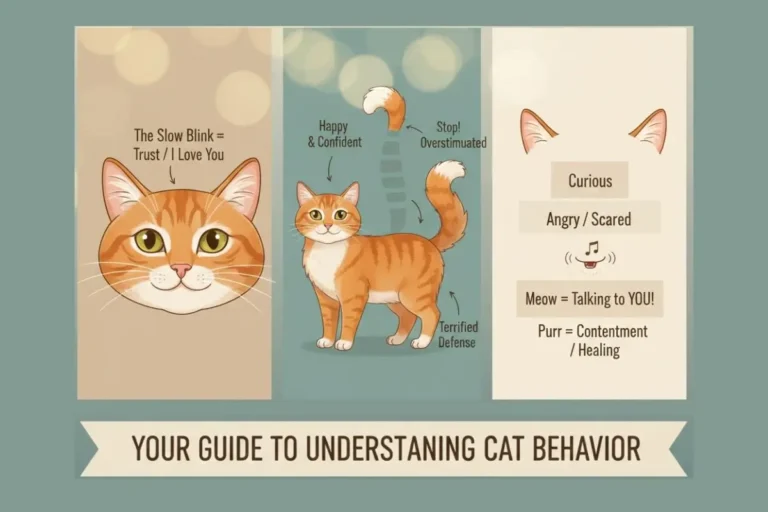
7. Understanding Cat Behavior (“Cattitude”)
Cats communicate mostly through body language. Learning this builds trust and prevents bites or scratches.
Common signals:
- Slow blinking: A sign of trust (“cat kiss”)
- Purring: Usually happiness, sometimes self-soothing during pain
- Tail straight and vibrating: Excitement
- Tail lashing: Stress or irritation—give space
Never punish a cat. Patience and consistency always work better.
8. The Real Cost of Owning a Cat in India
Being financially prepared avoids stress later.
Average costs:
- Monthly basics: ₹2,000 – ₹4,000 (food + litter)
- Annual medical care: ₹3,000 – ₹5,000
- Emergency fund: Strongly recommended for unexpected vet visits
Indie cats generally cost less to maintain than pedigree breeds.
Also Read: Top 10 Most Popular Cat Breeds in the World: Ragdoll, Persian and More: Check Full List Inside
Final Thoughts
Adopting a cat—especially an Indie cat—is one of the most fulfilling decisions you can make. With patience during the initial settling-in phase, you gain a companion who offers quiet comfort, deep loyalty, and unconditional affection.
About The Author