Lala Lajpat Rai Jayanti, observed every year on January 28, commemorates the birth anniversary of one of India’s most fearless freedom fighters—Punjab Kesari Lala Lajpat Rai. A powerful nationalist leader, social reformer, and revolutionary thinker, his life and sacrifice played a decisive role in India’s struggle against British colonial rule.
When is Lala Lajpat Rai Jayanti celebrated?
Lala Lajpat Rai Jayanti is celebrated annually on January 28, marking the birth of the legendary freedom fighter in 1865. On this day, tributes are paid across India through remembrance events, educational programs, and discussions highlighting his contribution to India’s independence movement.
Who was Lala Lajpat Rai?
Lala Lajpat Rai was a prominent Indian freedom fighter, lawyer, author, and social reformer born in Dhudike village (Punjab, now in Pakistan). He emerged as a strong nationalist voice during British rule and became a key leader of the Indian National Congress.
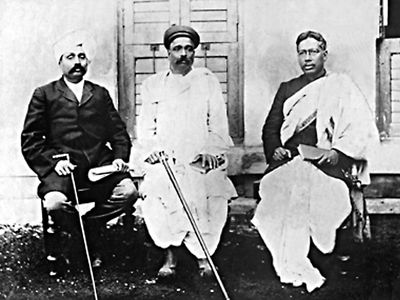
He was part of the iconic Lal–Bal–Pal trio, alongside Bal Gangadhar Tilak and Bipin Chandra Pal, which represented the assertive wing of the freedom movement.
Why is Lala Lajpat Rai known as “Punjab Kesari”?
Lala Lajpat Rai earned the title “Punjab Kesari” (Lion of Punjab) due to his fearless resistance to British oppression and his ability to mobilise masses through fiery speeches and bold actions. His leadership strengthened nationalist movements across Punjab and northern India.
What was Lala Lajpat Rai’s role in India’s freedom struggle?
Lala Lajpat Rai believed that political freedom was inseparable from social reform. His major contributions include:
- Active leadership in the Indian National Congress
- Promotion of Swadeshi and boycott movements
- Opposition to unjust British laws and policies
- Inspiring youth through nationalist writings and speeches
He consistently advocated self-rule (Swaraj) and economic independence.
How did Lala Lajpat Rai oppose the Simon Commission?
In 1928, Lala Lajpat Rai led a massive peaceful protest in Lahore against the Simon Commission, which had no Indian members. During the protest, British police brutally lathi-charged demonstrators.
Despite being severely injured, he remained defiant and declared:
“Every blow aimed at me is a nail in the coffin of British imperialism.”
How did Lala Lajpat Rai die?
Lala Lajpat Rai died on November 17, 1928, after succumbing to injuries sustained during the Simon Commission protest. His death deeply shocked the nation and intensified revolutionary activities, influencing leaders like Bhagat Singh.
What were Lala Lajpat Rai’s contributions to education and society?
Beyond politics, Lala Lajpat Rai was a visionary reformer who:
- Helped establish DAV schools and colleges
- Promoted women’s education and social equality
- Authored influential nationalist literature
- Encouraged Indian culture, self-reliance, and moral values
He believed education was the strongest weapon against colonial domination.
Why is Lala Lajpat Rai remembered on his Jayanti today?
On Lala Lajpat Rai Jayanti, Indians remember his courage, sacrifice, and unwavering commitment to freedom. Roads, institutions, and memorials across the country continue to honour his legacy, keeping his ideals alive for future generations.
Why is Lala Lajpat Rai still relevant in modern India?
In today’s India, Lala Lajpat Rai’s values of peaceful protest, fearless dissent, and national self-respect remain deeply relevant. His life serves as a reminder that freedom and democracy are built on courage, unity, and sacrifice.
Key Takeaway
As India observes Lala Lajpat Rai Jayanti on January 28, the nation salutes a leader whose bravery shook British rule and inspired generations of revolutionaries. His legacy as Punjab Kesari continues to ignite patriotic spirit across India.
About The Author