Who Was Akbar the Great’s Main Queen Complete List of Mughal Queens from Ruqaiya Sultan Begum to Jodha Bai
Akbar, the third Mughal emperor, is remembered not just for his military victories or administrative brilliance, but for his visionary approach to ruling a diverse empire. One fascinating—but often overlooked—aspect of his reign was his marriage policy. These weren’t just personal unions; they were carefully planned alliances that strengthened the empire, fostered unity, and built bridges between communities.
By marrying women from different regions, religions, and noble families, Akbar created bonds that went beyond politics. His queens helped encourage religious tolerance, cultural harmony, and political stability across the Mughal Empire.
Why Akbar’s Marriage Policy Was Strategic
Unlike many rulers of his time, Akbar treated his wives with respect and gave them independence. His queens could freely practice their religion, manage finances, and even influence decisions within the royal household.
His marriages with Rajput families, in particular, helped unite diverse communities, strengthening the empire’s political fabric and laying the foundation for long-lasting peace. Through these alliances, Akbar demonstrated that diplomacy, respect, and inclusion could achieve more than brute force.
Who Was the Main Queen of Akbar The Great?
The main queen of Akbar the Great was Ruqaiya Sultan Begum. She held the title of Padshah Begum, meaning chief queen, and was a key figure in the Mughal royal household.
1. Ruqaiya Sultan Begum: The Chief Queen
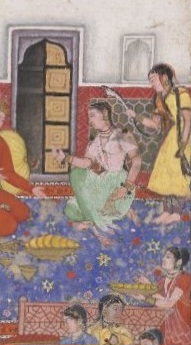
Ruqaiya Sultan Begum was Akbar’s first wife and the chief queen (Padshah Begum). She was the daughter of Mirza Hindal, Akbar’s uncle, and a member of the Mughal royal family.
- Married Akbar in 1551
- Held the highest rank among his wives
- Did not have children but managed the royal household
Ruqaiya’s most remarkable contribution was raising Akbar’s grandson, Shah Jahan, who later became one of the most celebrated Mughal emperors. Her wisdom, loyalty, and dignity earned her immense respect at court.
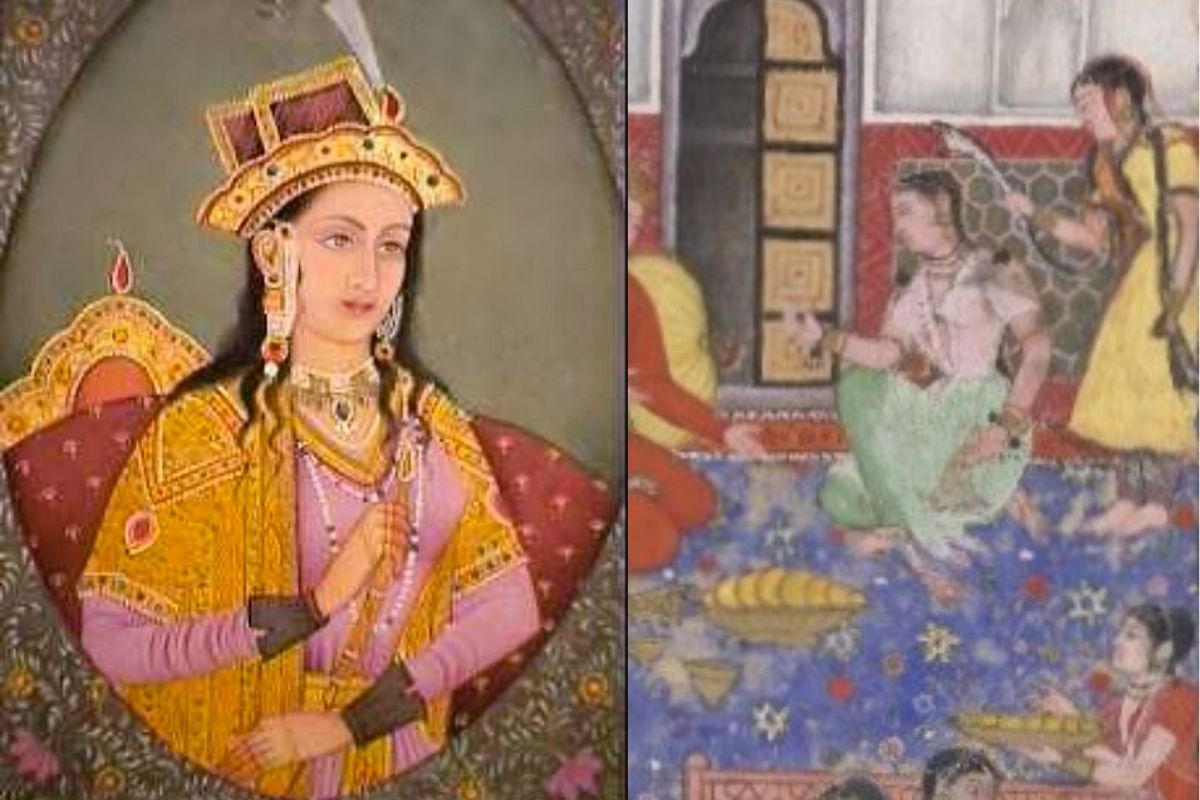
2. Mariam-uz-Zamani (Jodha Bai): The Rajput Princess Who United Communities
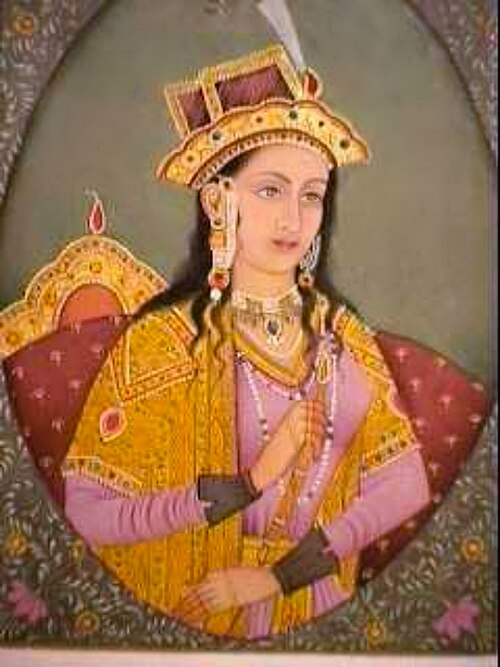
Mariam-uz-Zamani, famously known as Jodha Bai, was a Rajput princess from Amber (modern-day Jaipur) and daughter of Raja Bharmal.
- Married Akbar in 1562
- Continued practicing Hinduism freely
- Mother of Jahangir, Akbar’s successor
Her marriage was more than love—it was a political alliance that strengthened Mughal-Rajput relations. Jodha Bai exemplified Akbar’s vision of religious tolerance, diplomacy, and respect over coercion.
3. Salima Sultan Begum: The Scholar Queen
Salima Sultan Begum was celebrated for her intelligence, education, and refined personality. Previously married to Bairam Khan, Akbar’s regent, she joined the royal household after his death.
- Scholar and poet
- Advised Akbar on political and family matters
- Played an active role in court life
Salima’s presence at court highlighted Akbar’s belief that wisdom and intellect mattered, regardless of gender. His queens were partners in governance, not just figures of ceremony.
4. Kandahari Begum: Strengthening Mughal-Persian Ties
Kandahari Begum, a Persian princess and daughter of the ruler of Kandahar, married Akbar as part of a diplomatic alliance.
- Mother of Prince Murad
- Played a quieter role at court but strengthened ties with Persian territories
- Her marriage underlined how strategic alliances extended beyond India, reflecting Akbar’s broader diplomatic vision.
5. Mah Chuchak Begum: The Central Asian Connection
Mah Chuchak Begum hailed from Central Asian nobility. Though her influence at court was limited, she is remembered for her political ambitions rather than governance or cultural contributions.
| Name | Background | Marriage Year | Importance |
|---|---|---|---|
| Ruqaiya Sultan Begum | Mughal princess | 1551 | First and chief wife; raised Shah Jahan |
| Mariam-uz-Zamani (Jodha Bai) | Rajput princess of Amber | 1562 | Mother of Jahangir; symbol of alliance |
| Salima Sultan Begum | Mughal noblewoman | c. 1561 | Educated and influential advisor |
| Kandahari Begum | Persian princess | c. 1570 | Mother of Prince Murad |
| Mah Chuchak Begum | Central Asian nobility | — | Limited political influence |
The Role of Akbar’s Wives in the Empire
Akbar’s queens were far more than ceremonial figures. They actively contributed to administration, culture, and social harmony. Their responsibilities included:
- Managing royal estates and households
- Supporting charitable projects and public welfare
- Promoting religious and cultural unity
- Patronizing education, arts, and architecture
By valuing their opinions and granting them independence—a rare privilege for 16th-century women—Akbar ensured that his queens were true partners in sustaining the empire.
Conclusion: Akbar’s Queens and the Golden Age
The wives of Akbar played a pivotal role in strengthening the Mughal Empire’s political and cultural framework. Through marriages rooted in diplomacy, respect, and tolerance, they helped unite diverse communities and maintain long-term stability.
Far from passive figures, Akbar’s queens influenced governance, diplomacy, and culture. Their legacy reflects Akbar’s vision of inclusive rule and remains a shining example of the golden age of the Mughal Empire.
About The Author