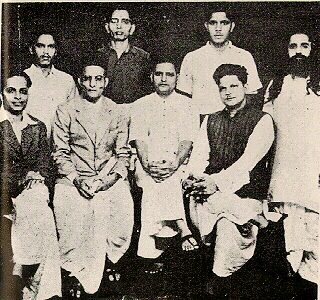
Nathuram Vinayak Godse was an Indian extremist who assassinated Mahatma Gandhi on January 30, 1948, in New Delhi. His actions ended the life of India’s most respected leader and left a permanent mark on the nation’s history.
This article explains who Nathuram Godse was, his background, ideology, and why he killed Mahatma Gandhi—in a clear, factual, and user-friendly way.
Nathuram Godse: Early Life and Background
Nathuram Godse was born on May 19, 1910, in Pune, Maharashtra, India.
- Full name: Nathuram Vinayak Godse
- Birthplace: Pune (then part of British India)
- Education: Limited formal education
- Profession: Journalist and political activist
He grew up during a time of strong nationalist movements and increasing communal tensions in India.
What Were Nathuram Godse’s Political Views?
Godse strongly opposed Mahatma Gandhi’s ideas and leadership.
He believed:
- India should be a Hindu-dominated nation
- Gandhi was too supportive of Muslims
- Gandhi was responsible for the Partition of India in 1947
- India was weakened by giving ₹55 crore to Pakistan
These beliefs gradually pushed Godse toward radical thinking and political extremism.
Was Nathuram Godse Linked to Any Organization?
Yes. Godse was associated with:
- Hindu Mahasabha
- Had earlier links with the RSS (Rashtriya Swayamsevak Sangh)
However:
- Godse stated in court that he had left the RSS
- The RSS officially denied any role in Gandhi’s assassination
- The murder was later proven to be part of a larger conspiracy, not an isolated act.
Why Did Nathuram Godse Kill Mahatma Gandhi?
Godse believed killing Gandhi would:
- Stop what he saw as Muslim appeasement
- Prevent further division of Hindus
“Save” India from Gandhi’s political influence
- Godse openly confessed to the crime and expressed no regret during his trial.
How Did Nathuram Godse Assassinate Gandhi?
- Date: January 30, 1948
- Location: Birla House, New Delhi
- Weapon used: Beretta semi-automatic pistol
Godse bowed before Gandhi and fired three bullets at close range during the evening prayer meeting.
- He was arrested immediately at the spot.
- Trial, Conviction, and Execution
- Godse was tried along with other accused
- He gave a long statement defending his actions
- Found guilty of murder and conspiracy
- Executed by hanging on November 15, 1949
Also Read: Mahatma Gandhi Death Anniversary 2026: How the Father of the Nation Was Killed in 1948
How Is Nathuram Godse Viewed Today?
In India and globally, Nathuram Godse is remembered as:
- A symbol of political extremism
- A reminder of how hatred can destroy a nation’s moral compass
- While fringe groups attempt to glorify him, historians, courts, and society condemn his act.
Why This History Still Matters Today
- Understanding who Nathuram Godse was helps explain:
- The dangers of religious extremism
- Why Gandhi’s message of non-violence remains relevant
- How political hatred can lead to irreversible loss
Conclusion
Nathuram Godse is remembered not for ideology, but for committing one of the darkest acts in Indian history. His actions ended a life devoted to peace, but they failed to silence Gandhi’s ideas—which continue to guide India and the world.
About The Author