What Are the Vedas_ A Simple Beginner’s Guide to Ancient Indian Wisdom
At some point, many of us pause and wonder about life. Not in a dramatic way—but quietly. Late at night. During a walk. In moments when the world feels loud, yet something inside feels unfinished.
That quiet curiosity is one reason people still search for the Vedas today.
Long before modern self-help books or philosophy podcasts, the Vedas tried to make sense of life, nature, fear, gratitude, and the unknown. They don’t promise quick answers. Instead, they invite reflection—and that’s what has kept them alive for thousands of years.
This guide is written for beginners. No background knowledge needed. Just curiosity.
So, What Exactly Are the Vedas?
The Vedas are ancient Indian scriptures that explore knowledge about the world outside us and the world within us.
The word Veda comes from a Sanskrit root that means “to know.” Not memorizing facts, but understanding life deeply. The Vedas meaning is closer to wisdom than information.
They are not a single book and not written by one person. Instead, the Vedas are a collection of hymns, verses, prayers, and reflections that developed over many centuries in ancient India
The Vedas were never meant to be read quickly or followed blindly. They were meant to be listened to, reflected on, and lived with.
Where Did the Vedas Come From?
The Vedas were composed in a time when humans lived very close to nature. Fire was not just fire. it was warmth, survival, and mystery. The sun was not just light—it was life itself.
The sages who preserved the Vedas didn’t sit down to “write philosophy.” They observed life carefully:
- the rhythm of seasons
- the power of storms
- birth, death, fear, hope
Their questions were simple but deep:
Why does the universe work the way it does?
What is our place in it?
The answers they explored became the Vedas.
What are the Type of Vedas?
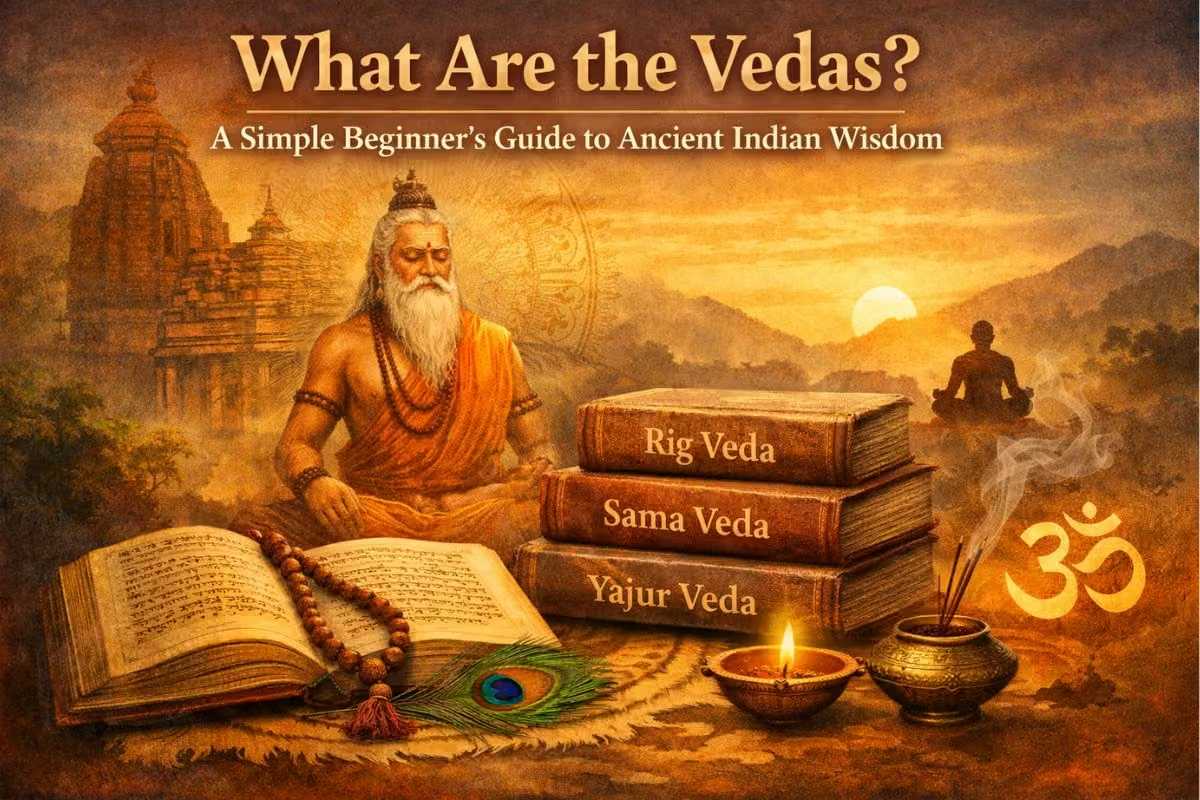
There are four Vedas, and each serves a different purpose. Together, they form a complete picture of early Indian thought.
Rigveda
The Rigveda is the oldest and most poetic of the four. It contains hymns that express awe toward nature—fire, wind, rain, sky. These verses feel less like rules and more like conversations with the universe.
Yajurveda
The Yajurveda focuses on action. It explains rituals and ceremonies, but more importantly, it emphasizes intention. What you do matters—but why you do it matters just as much.
Samaveda
The Samaveda is closely linked to music and chanting. Many of its verses are meant to be sung. This shows how sound and rhythm were once seen as tools to calm the mind and focus awareness.
Atharvaveda
The Atharvaveda feels surprisingly human. It talks about daily worries—health, relationships, fear, peace, and hope. It reminds us that spirituality was never separate from ordinary life.
For Detailed Knowledge Read Here: How Many Vedas Are There? Names, Meanings, and More- All You Need To Know
Why Were the Vedas Memorized Instead of Written?
One question people often ask is why the Vedas were passed down orally.
The answer is respect.
In ancient India, sound was considered powerful. Words were believed to carry energy, not just meaning. To protect that precision, the Vedas were memorized using highly disciplined chanting methods.
Students learned not just what to recite, but how to recite it—tone, pause, rhythm. This system was so careful that even after centuries, the text remained remarkably consistent.
How Are the Vedas Different From Later Texts?
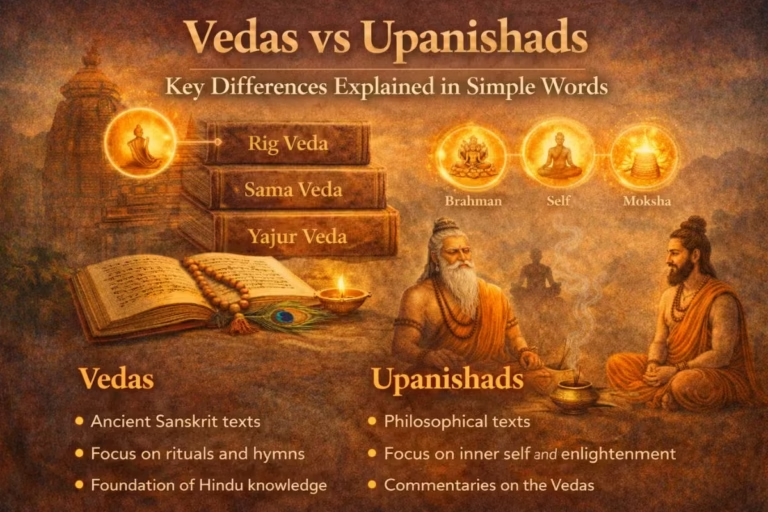
The Vedas are often mentioned alongside later Indian texts, especially the Upanishads. While they are connected, their focus is different.
- The Vedas are outward-looking: rituals, nature, cosmic order
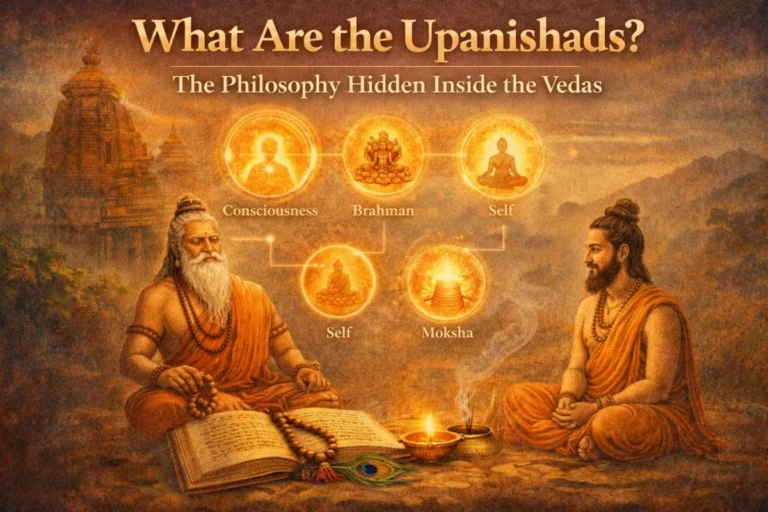
- The Upanishads turn inward: the mind, the self, consciousness
If the Vedas ask, “How does the universe work?”
the Upanishads ask, “Who am I really?”
Think of the Vedas as the foundation—and later philosophy as a deep inner exploration built on it.
Why the Vedas Still Matter Today
You don’t need to follow rituals or believe in ancient ideas to learn from the Vedas.
What still feels relevant is their attitude toward life:
- slow observation instead of rushing to conclusions
- respect for nature
- awareness of cause and effect
- reflection before action
Many modern ideas—mindfulness, balance, ethical living—echo thoughts first explored in Indian philosophy thousands of years ago.
In a distracted world, the Vedas gently remind us to pause.
FAQs: Questions Beginners Often Ask
What are the Vedas in simple words?
They are ancient Indian texts that explore life, nature, and spiritual understanding.
Who wrote the Vedas?
They were composed and preserved by many sages over generations, not one author.
Are the Vedas religious books?
They include rituals, but they also contain philosophy and reflection. They are broader than religion alone.
Can anyone read the Vedas today?
Yes. Many translations and simplified explanations are available today.
Do the Vedas still matter in modern life?
Yes. Their ideas about balance, awareness, and understanding life remain meaningful.
A Quiet Closing Thought
The Vedas don’t demand belief. They don’t rush you. They don’t offer shortcuts.
Instead, they sit patiently in history, waiting for readers who are curious enough to ask questions—and humble enough to listen.
In that way, the Vedas are not just ancient Indian scriptures.
They are a reminder that the human search for meaning has always been—and will always be—deeply personal.
About The Author