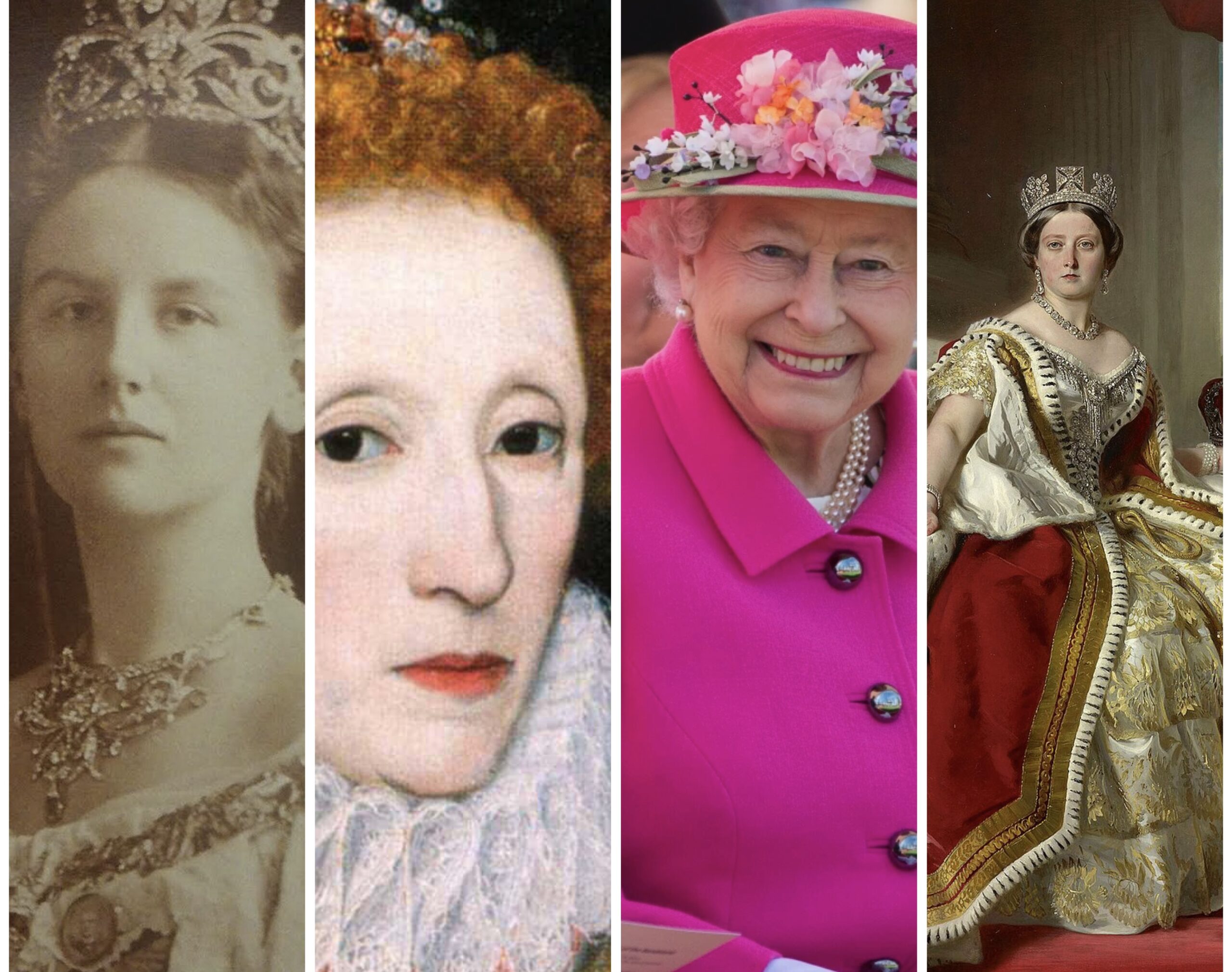
When we think of powerful rulers in world history, queens have played some of the most enduring and influential roles across empires and cultures. From Europe to Asia, Africa to the Americas, women monarchs not only ruled for decades—they reshaped politics, culture, and diplomacy in their regions.
List of Longest‑Ruling Queens in World History
In this list, we explore the top 6 longest‑ruling queens in world history, their timelines, key achievements, and historical significance.
1. Queen Elizabeth II — United Kingdom (1952–2022)
- Reign Duration: 70 years, 214 days
- Region: United Kingdom & Commonwealth Nations
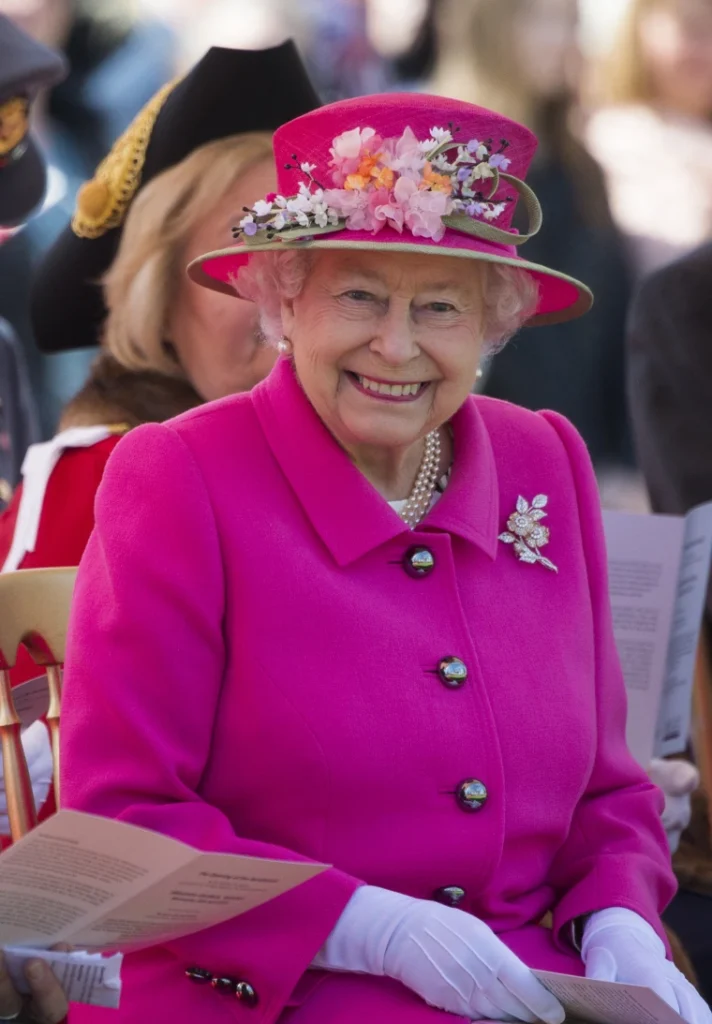
Queen Elizabeth II is the longest‑serving monarch in British history and one of the most recognized figures globally. She ascended the throne on 6 February 1952 and reigned until her passing on 8 September 2022.
Key Achievements of Queen Elizabeth II:
- Guided the UK through post‑World War II recovery and decolonization
- Modernised the British Monarchy for the television and digital age
- Strengthened ties across the Commonwealth of Nations
- Witnessed historic events like the Moon Landing, Cold War, and the digital revolution
Legacy of Queen Elizabeth II:
Her reign was marked by stability and continuity in a rapidly changing world, making her a symbol of unity for the UK and worldwide.
2. Queen Victoria — United Kingdom (1837–1901)
- Reign Duration: 63 years, 216 days
- Region: United Kingdom & British Empire
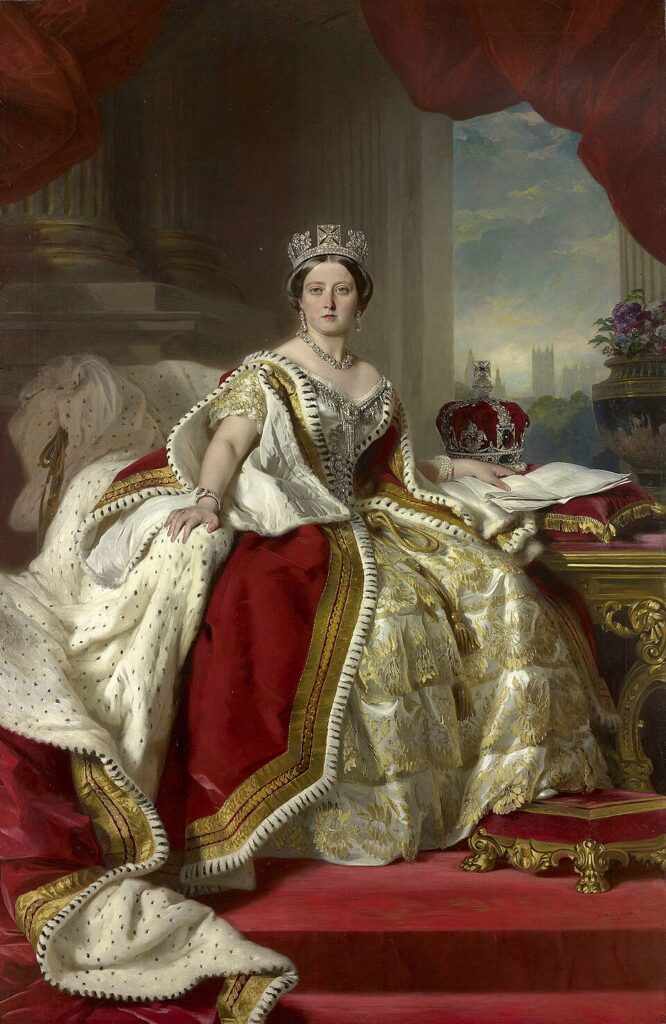
Queen Victoria remains one of the most iconic monarchs of the 19th century. Her era gave rise to unprecedented industrial, cultural, and imperial expansion, known as the Victorian Age.
Key Achievements of Queen Victoria:
- Oversaw the expansion of the British Empire to become the world’s largest
- Encouraged advances in science, literature, and industry
- Promoted social reform including public health measures and education improvements
Legacy of Queen Victoria:
Her name defines an entire historical era marked by global influence and socio‑economic transformation.
3. Empress Theodora — Byzantine Empire (527–548)
- Reign Duration: 21 years (Co‑regent)
- Region: Byzantine Empire (Eastern Roman Empire)
While technically a co‑ruler with Emperor Justinian I, Empress Theodora wielded immense power and influence. She was one of the most formidable queens of the Byzantine era and played a crucial role in governance.
Key Achievements of Empress Theodora
- Advocated for women’s rights and social welfare
- Reformed laws related to divorce, property rights, and human trafficking
- Played a key role during the Nika Riots, helping Justinian maintain power
Legacy of Empress Theodora:
Theodora is remembered as one of the most effective female rulers in ancient history due to her political influence and reformist zeal.
4. Queen Wilhelmina — Netherlands (1890–1948)
- Reign Duration: 57 years
- Region: Kingdom of the Netherlands
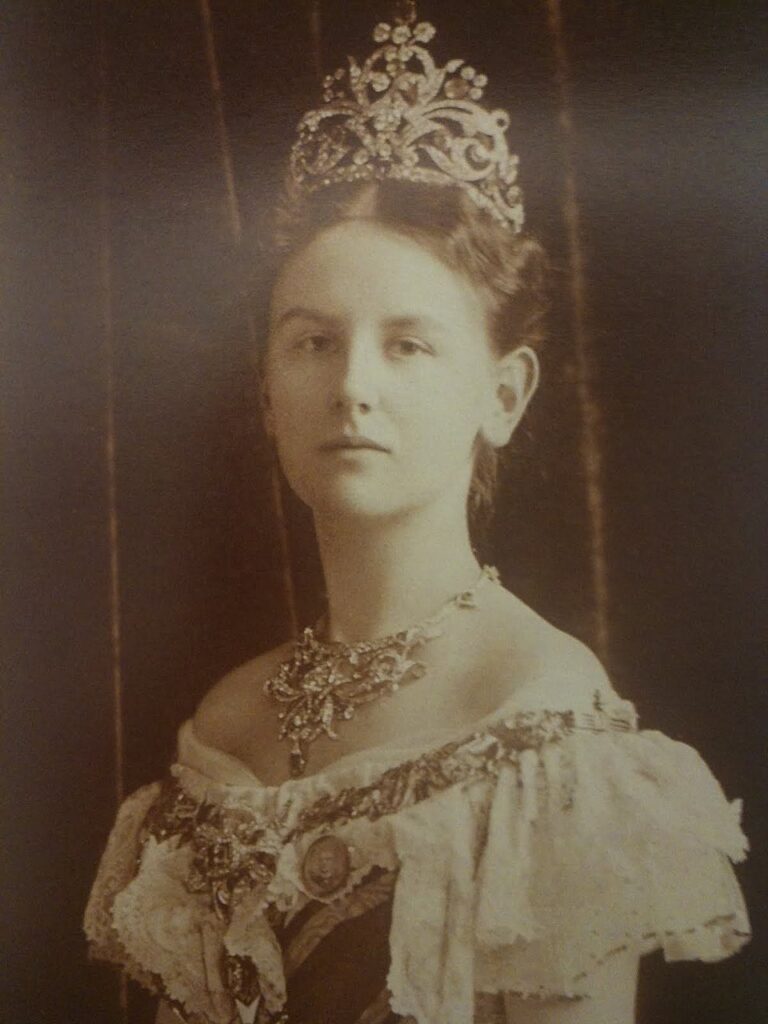
Queen Wilhelmina presided over one of the most turbulent periods in Dutch history, including both World Wars.
Key Achievements of Queen Wilhelmina
- Led the Netherlands through World War I and World War II
- Became a symbol of resistance against Nazi occupation
- Strengthened national identity and unity during crises
Legacy of Queen Wilhelmina:
Her powerful radio speeches and unyielding spirit made her a national hero and global symbol of resilience.
5. Queen Margrethe II — Denmark (1972–2024)
- Reign Duration: 52 years
- Region: Kingdom of Denmark
Queen Margrethe II was one of the longest‑reigning monarchs in modern Europe and continues to serve as the constitutional monarch of Denmark.
Key Achievements of Queen Margrethe II
- Modernised the Danish Monarchy in law and culture
- Actively supported arts, archaeology, and design
- Maintained high approval ratings throughout her reign
Queen Margrethe II Legacy:
Her reign marks continuity and modernization, balancing tradition with a contemporary constitutional role.
6. Queen Elizabeth I — England (1558–1603)
- Reign Duration: 44 years, 127 days
- Region: Kingdom of England
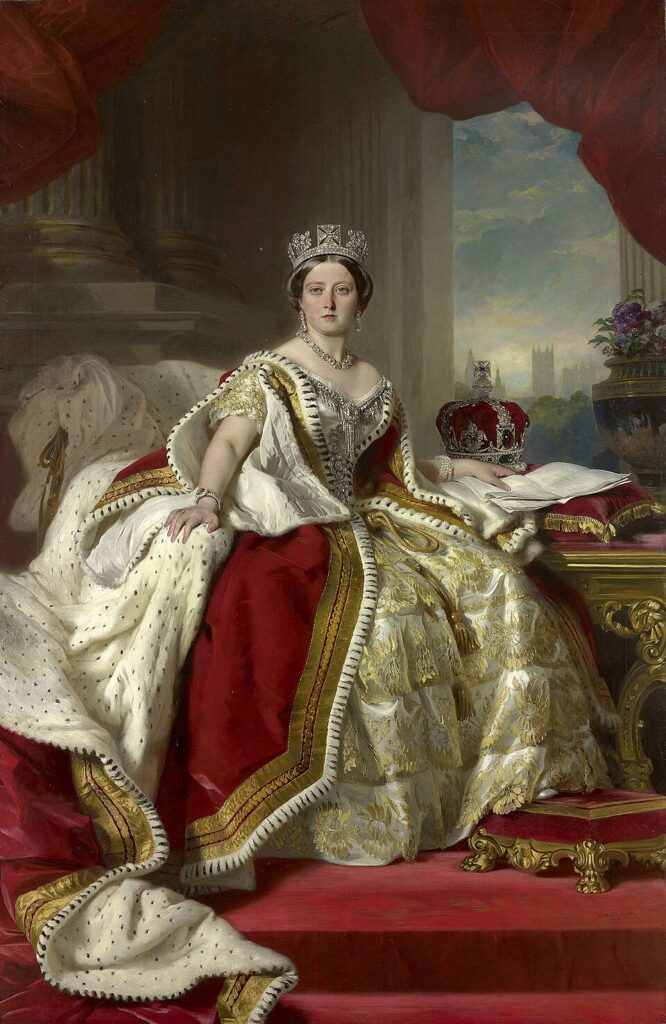
Often called the Virgin Queen, Elizabeth I’s reign is considered a golden era in English history.
Key Achievements of Queen Elizabeth I
- Defeated the Spanish Armada in 1588
- Encouraged flourishing arts, literature, and theatre (Shakespeare’s era)
- Strengthened Protestantism and national unity
Queen Elizabeth I Legacy:
Her era—known as the Elizabethan Age—marked England’s rise to global prominence in politics and culture.
Why This Matters: Impact of Long‑Ruling Queens in History
Queens with extended reigns often shape the political landscape, cultural norms, and national identity of their regions. Their leadership spans wars, social reforms, industrial and technological shifts, and global diplomacy—making them essential figures in world history.
Whether it’s Elizabeth II’s steady presence through global change or Victoria’s imperial influence, these queens left indelible marks on their nations and the world.
Disclaimer
This article is for informational and educational purposes only. It presents historical data and interpretations of world history and monarchs. The content is not intended as professional, legal, or personal advice. Readers are encouraged to consult authentic historical sources or academic references for deeper research and verification of facts.
About The Author



Really intresting article. would like to read more this type of content.