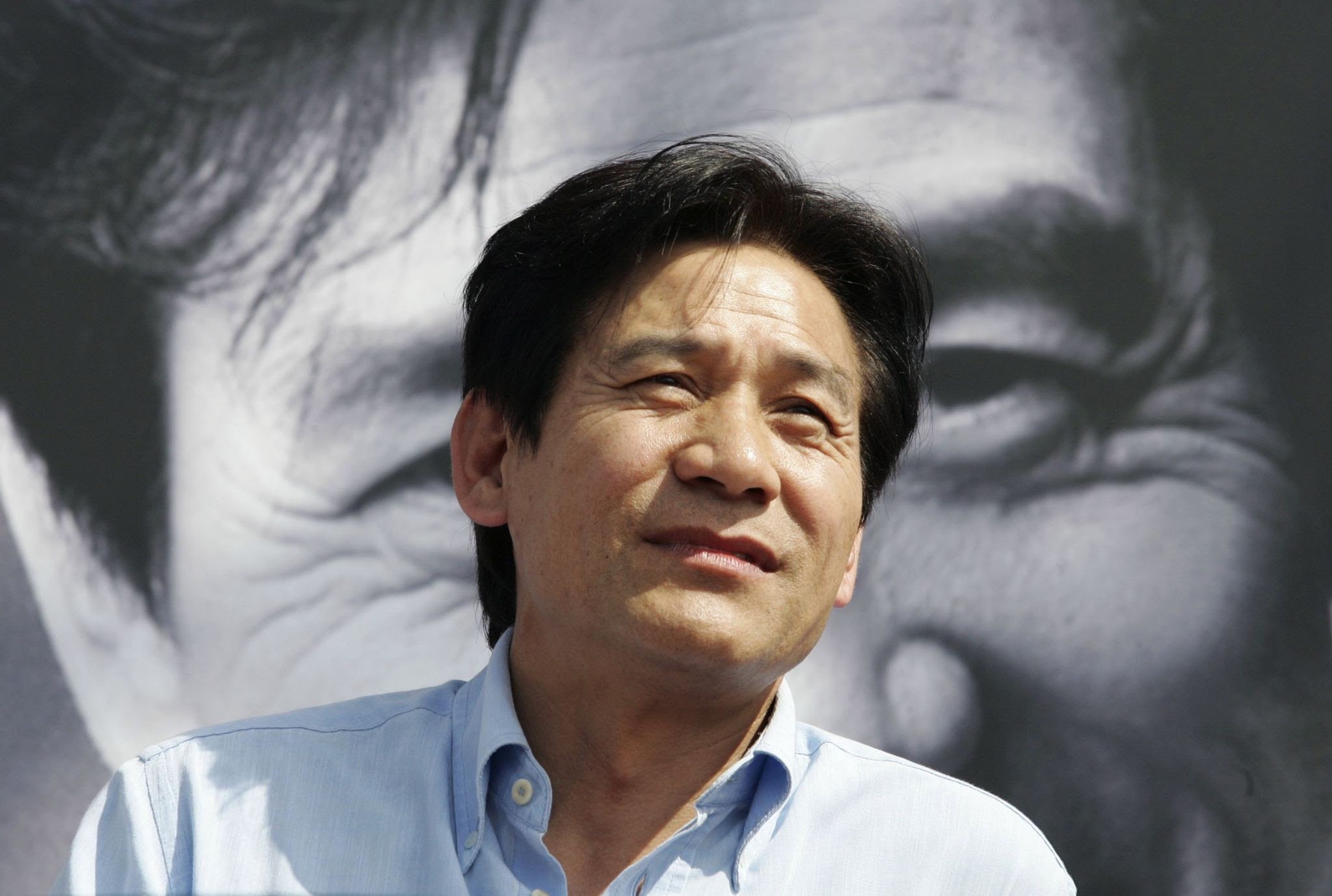
PUSAN, SOUTH KOREA - OCTOBER 13: Actor Ahn Sung-Ki smiles during an Open Talk session at the Pusan International Film Festival (PIFF) on October 13, 2006 in Pusan, South Korea. The festival, one of Asia's leading film festivals, will showcase a total of 245 films from 63 countries, 155 of which are world, international or Asian premieres. (Photo by Chung Sung-Jun/Getty Images)
Legendary South Korean actor Ahn Sung-ki, widely known as “The Nation’s Actor,” has died at the age of 74, leaving the country’s film industry in deep mourning. His death marks the end of an era for Korean cinema, where he remained a respected and beloved figure for over six decades.
The news was confirmed by his agency in early January 2026. Ahn Sung-ki passed away in Seoul, following a long battle with illness.
What Was Ahn Sung-ki’s Cause of Death?
According to official reports, Ahn Sung-ki died due to complications from blood cancer, a condition he had been battling since 2019.
The veteran actor underwent prolonged medical treatment over the years. While his health showed brief improvement at one point, his condition later deteriorated. He eventually passed away due to natural causes while receiving care in Seoul. Authorities have confirmed that no foul play is suspected.
Who Was Ahn Sung-ki?
Born on January 1, 1952, in Seoul, Ahn Sung-ki began his acting career as a child artist and went on to become one of South Korea’s most accomplished film stars.
Over his lifetime, he appeared in more than 170 films, earning admiration for his versatility, emotional depth, and disciplined work ethic. His career closely mirrored the growth of South Korean cinema from local storytelling to global recognition.
Why Was He Called ‘The Nation’s Actor’?
Ahn Sung-ki earned the rare title of “The Nation’s Actor” because of:
- His long and consistent contribution to Korean cinema
- His clean, scandal-free public image
- His ability to connect with audiences across generations
He won several major film awards, including multiple Best Actor honours, and was widely respected not just for his talent, but also for his humility and professionalism.
Ahn Sung-ki’s Most Popular Movies
Some of the most memorable films from his career include:
- Mandala
- White Badge
- Two Cops
- Silmido
- Radio Star
These movies are considered landmarks in South Korean cinema and continue to be watched and studied today.
Awards and Achievements of Ahn Sung-ki
Ahn Sung-ki received almost every major acting honour in South Korea:
- Grand Bell Awards: He holds the record for winning Best Actor five times, a feat unmatched in Korean cinema.
- Cultural Pioneer: He was the first Korean actor, along with Lee Byung-hun, to have his handprints at Grauman’s Chinese Theatre in Hollywood.
- Humanitarian: He served as a UNICEF Goodwill Ambassador for over 30 years, further cementing his reputation as a moral pillar of society.
His performances were often studied by acting students and filmmakers for their emotional realism.
Tributes Pour In Across South Korea
Following the announcement of his death, tributes poured in from actors, filmmakers, politicians, and fans. Many described Ahn Sung-ki as a pillar of Korean cinema and praised his lifelong dedication to the craft of acting.
Film organisations are expected to honour him with memorial events celebrating his extraordinary legacy.
Ahn Sung-ki’s Legacy in Korean Cinema
Ahn Sung-ki’s influence goes far beyond his films. He helped shape modern Korean cinema and inspired countless young actors. His performances reflected social change, emotional realism, and cultural identity—qualities that made him a national icon.
Though he is no longer with us, his work will continue to live on through the films that defined generations of movie lovers.
About The Author