Plastic has transformed modern life — from food packaging and online shopping to healthcare and electronics. But rising plastic consumption is also fueling a global waste crisis.
On World Plastic Day 2026, attention is once again focused on the countries producing the highest volumes of plastic waste and what this means for the planet.
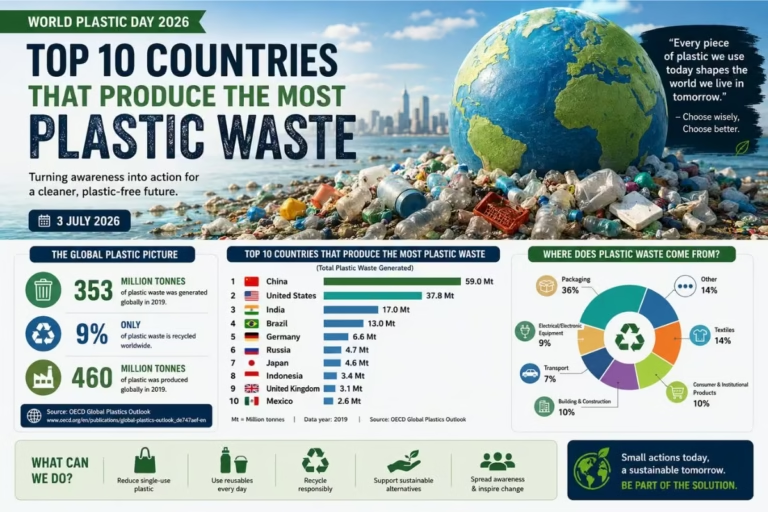
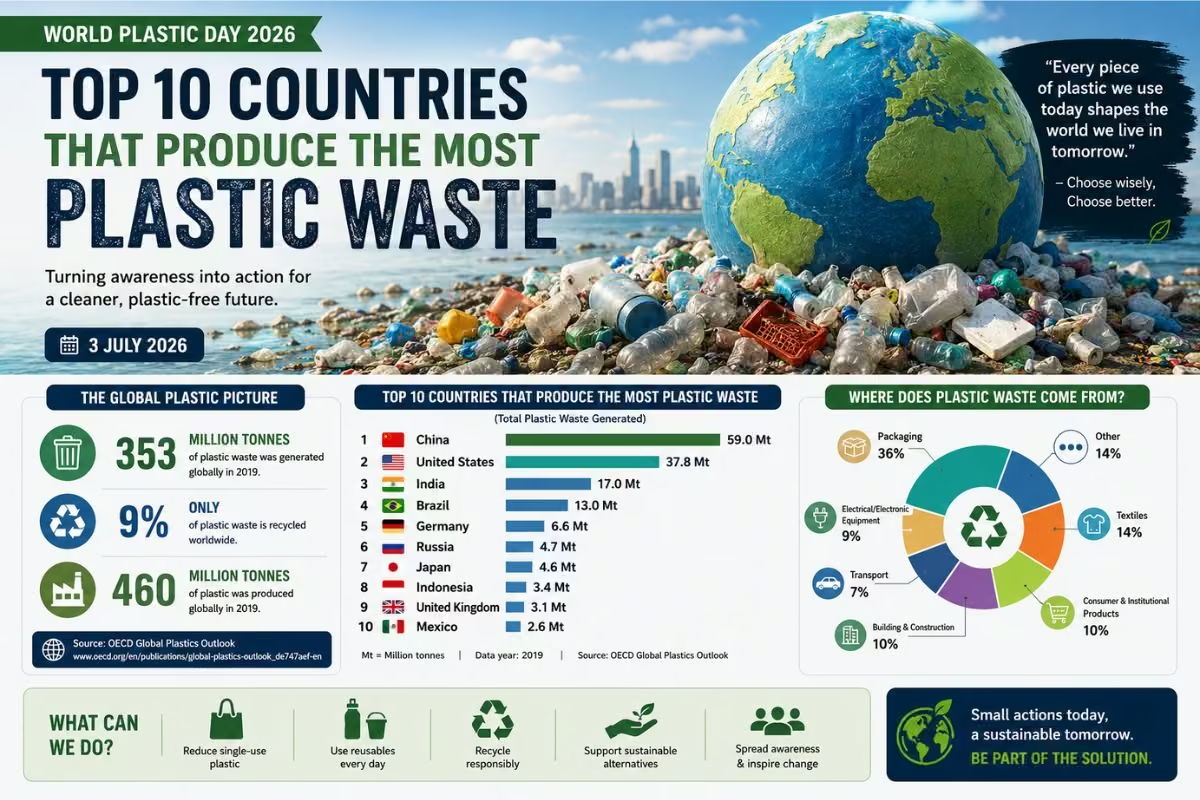
According to the OECD Global Plastics Outlook, global plastic waste more than doubled from 156 million tonnes in 2000 to 353 million tonnes in 2019. Despite growing awareness, only 9% of plastic waste is recycled worldwide, while nearly half ends up in landfills.
Using data from the OECD Global Plastics Outlook, international environmental databases, and country-level assessments, here are some of the countries generating the largest amounts of total plastic waste globally.
World Plastic Day 2026: Which Countries Generate the Most Plastic Waste?
1. China
China is among the world’s largest plastic waste generators due to its massive population, manufacturing sector, industrial activity, and consumer market.
High consumption of packaged goods, industrial plastics, and e-commerce deliveries contribute significantly to overall waste generation. OECD research identifies China as one of the leading contributors to global plastic waste volumes.
2. United States
The United States ranks among the highest plastic waste producers globally.
According to OECD findings, the U.S. has some of the highest per-capita plastic consumption rates, driven by packaging, takeaway culture, disposable products, and retail demand.
Single-use packaging and consumer products remain major contributors to national plastic waste generation.
3. India
India’s plastic waste output has grown rapidly alongside urbanization, population growth, expanding retail markets, and increasing packaged consumption.
Plastic packaging, food delivery, household use, and commercial activities contribute heavily to national waste streams.
As one of the world’s fastest-growing economies, India faces rising demand for stronger waste collection, recycling infrastructure, and sustainable packaging solutions.
4. Brazil
Brazil is frequently cited among countries generating substantial volumes of plastic waste.
Large urban populations, consumer packaging demand, and uneven waste management systems contribute to its overall plastic footprint.
5. Germany
Germany is known for strong recycling policies, but it also generates large amounts of plastic waste — particularly from packaging and consumer goods.
High consumption levels and packaging-intensive retail systems drive overall waste generation despite recycling efforts.
6. Russia
Russia remains a significant contributor to global plastic waste output.
Industrial production, packaged consumption, and waste handling gaps in some regions influence the country’s total plastic waste generation.
7. Japan
Japan generates considerable plastic waste despite having advanced waste processing systems.
Convenience retail culture, extensive food packaging, and consumer product wrapping contribute to high plastic use.
8. Indonesia
Indonesia’s growing urban population, rising consumer demand, and widespread use of disposable plastics contribute to large waste volumes.
Infrastructure and collection challenges continue to impact plastic waste management.
9. United Kingdom
The United Kingdom produces notable levels of plastic waste through food retail, packaging, household consumption, and consumer products.
Efforts to reduce single-use plastics and improve recycling remain key sustainability priorities.
10. Mexico
Mexico rounds out the list of major plastic waste generators globally.
Urban growth, packaged consumption, and waste disposal challenges contribute to increasing plastic waste production.
Why Is Global Plastic Waste Rising?
Global plastic production continues to increase at a rapid pace.
According to the OECD, worldwide plastic production climbed from around 234 million tonnes in 2000 to approximately 460 million tonnes by 2019, reflecting growing dependence on plastics across industries and households.
Key drivers include:
- Urbanization and population growth
- Online shopping and delivery services
- Packaged food consumption
- Single-use plastic dependence
- Rising consumer demand in emerging economies
Why World Plastic Day 2026 Matters
World Plastic Day highlights a growing environmental challenge that affects ecosystems, economies, and communities.
While governments and industries play a critical role, individuals can also contribute by:
- Reducing single-use plastic consumption
- Choosing reusable alternatives
- Recycling correctly
- Supporting sustainable brands and packaging solutions
Experts warn that without stronger global action, plastic waste generation could continue rising significantly in coming decades.
Sources:
This article uses data and insights from reputable environmental and policy sources, including:
OECD — Global Plastics Outlook
OECD Plastics Research & Data Hub
International environmental datasets and country-level plastic waste studies reviewed for contextual analysis.
About The Author